London is the best city for financial resources and quality of life

LONDON – Just like every two years, PwC – PricewaterhouseCoopers, a multinational professional services network and the largest professional services firm in the world – published the “Cities of Opportunity” survey, a chart of the cities that better put financial dynamism and high quality of life together.

This year’s survey was the seventh one managed by PwC and it shows the social and financial status of 30 of the biggest cities in the world, taking into account ten factors, including public transport, business development facilities, suitableness for living, use of technology and cost of living. The survey shows that cities can be successful when they both register excellent financial performances and present valid social elements such as the quality of life, elders’ welfare and even the readiness to face natural catastrophies.

www.e-architect.co.uk

London conquered the first place in this chart for the second time in a row: the city excels three out of six factors, including technology development, innovation, suitableness for living and business growth. The following six spots are occupied by Singapore, Toronto, Paris, Amsterdam, New York and Stockholm. Milan is the first Italian city in the chart, ranked 18th – his reputation and image have been strongly boosted by the Expo Milano 2015, which brought tecnhologic innovations and more openness to people, goods, economies and information.

Most influential people in London according to the Evening Standard

LONDON – Evening Standard’s panel of editors, critics and experts compiled the annual line-up of the most influential people in London, celebrating progress and innovation.

The first place went to the Mayor of London, Sadiq Khan, the son of an immigrant bus driver, who perfectly embodies the nature of London as the city of opportunity. The top 25 of the most influential people in London can be found below

1    Sadiq Khan, Mayor of London.

2    Theresa May, Prime Minister.

3   The Royal Family.

usmagazine.com

4    Mo Farah, Athlete.

5    Adele, Musician.

standard.co.uk
standard.co.uk

6    Demis Hassabis Founder, Google DeepMind

7    Sir Nicholas Serota Director, Tate

8    Nicola Mendelsohn, Vice president, EMEA, Facebook

9    Boris Johnson, Foreign Secretary

10    Sonia Friedman, Producer

thetimes.co.uk
thetimes.co.uk

11    Amber Rudd, Home Secretary

12    Major Tim Peake, Astronaut

13    Mark Carney Governor, Bank of England

14    Sir David Attenborough, Environmentalist

15    Zadie Smith, Author

16    Lord Hall, Director-general, BBC

telegraph.co.uk
telegraph.co.uk

17    Philip Hammond, Chancellor

18    Mike Brown Commissioner, Transport for London

19    Laura Kuenssberg, Political Editor, BBC

20    Sir Bernard Hogan-Howe, Commissioner, Metropolitan Police

prestigesecuritysolutions.wordpress.com

21    Alexandra Shulman, Editor, British Vogue

22      Richard Chartres, Bishop of London

23    CITY OF LONDON

24      Joanna Lumley, Actress

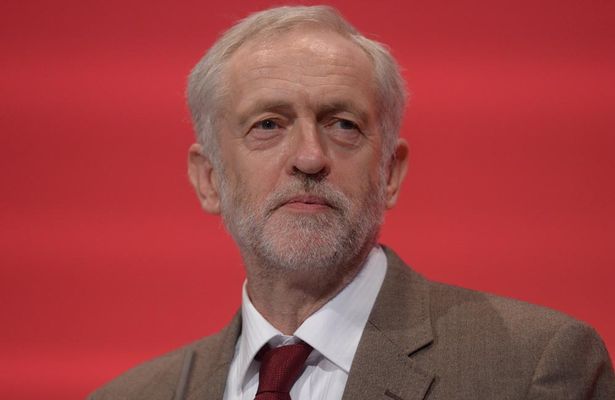
25      Jeremy Corbyn, Labour leader

JK Rowling will release ebooks on Harry Potter characters

It looks like JK Rowling cannot help but come back to the magic world of Harry Potter every now and then: it was announced this Wednesday on Pottermore, the digital world founded by the author for fans of the little wizard, that three short ebooks would be released starting 6 September. The series will be a collection of writings that Rowling has made for the website throughout the years as well as new stories about some of the most relevant charachters who appeared in the books. These will be available on Pottermore.com as well as via digital bookstores and will become the latest addition to the Harry Potter franchise, after the release of seven books, eight films and the sold-out theathre play, “Harry Potter and the Cursed Child“. The franchise will not stop here: the first of three spin-off, “Fantastic Beasts and Where to Find Them” is set to be released in November.

But let’s go back to the widely discussed “Cursed Child”: the stage play, which has been going at the Palace Theathre since July 30th, has received both praises and critics. This new addition was also released as a book, on July 31st: it was an idea aimed at allowing fans all over the world – even the majority who could not attend the play in London – to somehow enjoy it. The script was written by Jack Thorne and approved by Rowling and it focuses on the story of Harry and Draco’s sons – Albus and Scorpius – who travel back in time and have to face a series of consequences that drastically change the present.

blogs.wsj.com
blogs.wsj.com

Critics’ opinions were different: the theathre play received a number of five star reviews when it officially opened, while the majority of reviewers was left disappointed by the book, which according to critics provides “a different experience”, “incomplete”, if compared with the actual play. The problem is, the play is only accessible to the minority of people – and to the quickest minority, I would say. Tickets sold-out in a record time even after the latest release of a couple of days ago: in addition to that, the few tickets released – originally £70 – are being resold on a secondary website for £6,200. The Staff at London’s Palace Theathre have been told to refuse entry to anyone who owns resold tickets: “Our priority is to protect our customer and we are doing all we can to combat this issue“, they stated.

bbc.com
bbc.com

Despite the critics and the silly prices of tickets, both the play and the book are currently having an incredible success: the script has become the UK’s fastest-selling book of the decade and the play is currently the hottest in London – and will probably be for a while.

World’s Largest Collection of Vintage Liquors To Be Sold for US$8 Million!

The Netherlands national Bay van der Bunt has claimed the title of owning the “world’s largest collection of old liquors”. Sadly, however, he’s willing to relinquish the title for the price $8 million (US). The historic collection holds over 5,000 bottled liquors to include 250 years old cognac, whisky, armagnac, port, madeira and rare liqueurs.

The 63-year-old Dutch speaking collector, who oddly doesn’t drink not the precious elixirs himself, has over the years dedicated his life to finding the rarest and finest spirits on earth. Many of the cognacs, dating back to 1789, the year of the French revolution and the inauguration of George Washington as the 1st President of the United States.

According to Bay, he and his wife do not have any children or potential heirs who would be able to take care of their prized collection.

“So sadly, I have to let it go,” he said with a sense of remorse.

“Over the last 35 years, I frequented worldwide auctions like Christie’s and Sotheby’s. I bought from famous restaurants like Maxim’s and La Tour d’Argent in Paris and Le Cirque in New York when they thinned-out their cellars. Some cognacs even belonged to the estate of the Duke of Windsor,” he added.

Noting that it would take another two to three generations to gather a collection like this and assuming you would still be able to find such rare liquors, Bay said he inherited some of the liquor cache from father, who had inherited from his father (Bay’s grandfather).

Description: 000011.JPG

“My grandfather had hundreds of bottles which my father passed on to me, so collecting is something I have grown up with,” said Bay, who for over 10 years has shared his passion with the world through his website www.oldliquors.com.

Admitting he never intend to sell his liquor collection, Bay sadly said: “But now age is forcing me to do so.”

However, he’s hoping for a collector who shares his passion to take over the entire collection, which contains many bottles of the last remaining in the world, which makes them very unique objects to have.

Otherwise, the rare spirits may find their way to connoisseurs, exclusive restaurants and hotels or even royalty through selected channels.

“Collecting cognacs and old liquors was very time consuming and cost a fortune,  but it proves to be the best financial investment I have ever made,” admitted Bay.

Art, Religion and Antiquities in the Reign of Charles I

Lamport Hall Study Day in association with the University of Leicester Centre for the Study of the Country House. Tuesday 26 July, Lamport Hall, Northamptonshire. Open to the public by prior booking.

For many people the time of Charles I is synonymous with the English Civil War, yet the first fifteen years of his reign were peaceful and prosperous and saw the emergence of an unusual mixture of artistic activities. Professor Graham Parry, Emeritus Professor of Renaissance Studies at the University of York, will give the second in this year’s series of Lamport Hall Study Days, looking at ‘Art, Religion and Antiquities in the Reign of Charles I’. “After eighty years of austerity,” Professor Parry writes, “the arts of religion were revived and elaborated, amid considerable controversy. “Secular painting attained an unprecedented sophistication.

The study and collecting of all manner of antiquities became fashionable and brought scholars and prominent members of the gentry together with a common desire to vitalize the past and realize an ideal of life devoted to public duty and personal cultivation.” The Study Day runs from 10-30am to 3.15pm and consists of three lectures and lunch, in the elegant setting of Lamport Hall, the Northamptonshire home of the Isham family from 1560 to 1976. Topics to be discussed are: Clerics Quarrelling over Art: the Decoration of the Laudian Church; Van Dyck at the Court of Charles I; and The Collecting of Antiquities in mid-17th Century England. Professor Parry is an expert in literature, antiquarianism, ecclesiastical history, and court culture under the early Stuarts. He is particularly fascinated by seventeenth-century architecture and the work of Inigo Jones, the paintings of Van Dyck and the prints and drawings of Wenceslaus Hollar.

He has also published widely on seventeenth-century poetry and the work of John Milton. Lamport Hall was developed from a Tudor Manor during the Commonwealth, and is now best known for its classical frontage, begun by John Webb in 1655 and completed in the eighteenth century, to the design of Francis Smith of Warwick. The Hall is open to the public on Wednesday and Thursday afternoons and Bank Holiday Sundays and Mondays from Easter.

For details see: http://www.lamporthall.co.uk/, and for more information on the Centre for the Study of the Country House at the University of Leicester see: http://www.le.ac.uk/ha/countryhouse/ The cost of the Study Day is £40.

For further information or to make a booking please contact Lucy Byrne, Centre for English Local History, Universityof Leicester, tel 0116 252 2762

Laverstoke Park Farm launches first outpost in Twickenham

The UK’s leading biodynamic and organic farm Laverstoke Park has opened the doors of it’s first shop, outside of the farm’s Hampshire location, in the heart of Twickenham.

The Laverstoke Park Twickenham shop, is a traditional butchers and more – selling the farm’s excellent fresh organic and biodynamic meat and produce, delivered daily from the farm.

Chicken, Lamb, Beef, Pork, Wild Boar and Buffalo – will all be cut to customer’s requirements. Nitrate free bacons, sausages and burgers in many exciting flavours such as wild boar and bacon, smokey buffalo as well as traditional recipes also feature on the meat counter.

The Twickenham shop will also be selling a selection of Laverstoke’s wider range including pies, pasties, chili con carne, meat stocks, pâtés, cheeses (Buffalo Blue and Pendragon), traditional desserts and Laverstoke’s own Jams made with the fruits of the walled garden and available in Plum and Vanilla, Redcurrant and Strawberry, Red Gooseberry and Blackcurrant – all made to the farm’s own recipe. All this and of course Laverstoke’s buffalo mozzarella, ricotta, burrata and buffalo milk ice-cream.

‘Happy Birthday Italy’

Buon Compleanno Italia’ (‘Happy Birthday Italy‘) has been promoted by the non-profit organization Mondo Nuovo (www.mondonuovo.org): a group of volunteers, led by Wilma Peruzzi, who thought of creating a project especially directed to Italians living abroad and to those who love our country. While other events as concerts, exhibitions, conventions, last a day, we wanted something that would last an entire year, which will remain as a tangible symbol of the event, and that people could receive in their homes, as a souvenir to cherish or to give to their loved ones.

‘Buon Compleanno Italia”Happy Birthday Italy‘ consists of a DVD which illustrates, region by region, the most significant landscapes of our Country – especially nature and art, with a musical background of popular songs linked to the region – and a same titled volume which introduces distinguished men, popular sayings, traditions, and the typical festivities of each region of the Country. A small though ambitious project: the objective is to reach the many countrymen and women, even of second and third generation, who live in the world, from the USA to South Africa to New Zealand, and let them ideally be part of the celebrations.

The database compiled in months of work has brought to light the diversified world of institutions which represent our Country abroad: associations of our countrymen and women, divided by region (Piedmonts in the World, Tuscans in the World, Calabria in the world etc.), Italian schools abroad, Italian sections of European schools, Italian readerships in foreign universities, Dante Alighieri committees, various foundations, Italian cultural institutes, Ice and Enit offices, Chambers of Commerce, Italian press abroad etc. The manifesto to be posted in the offices of the above mentioned institutions can be received via e–mail, by filling out our form in the ‘Contact’ section. Make ‘Buon Compleanno Italia’ known, spread the word!


Index: Preface, Liguria, Piedmont, Aosta Valley, Lombardy, Trentino-Alto Adige, Veneto, Friuli-Venezia Giulia, Emilia-Romagna, Tuscany, Marche, Umbria, Lazio, Abruzzo, Molise, Campania, Apulia, Basilicata, Calabria, Sicily, Sardinia, Map of Italy, Citations about Italy and Italians, Acknowledgements

DVD:

It is divided in 3 parts: North, Center and South, each of which can be viewed separately. Approximately 3 minutes are dedicated to each of the 20 regions for a total length of 60 minutes.

Libya / Red Crescent volunteers and medical personnel in danger

GENEVA,  Fighting in Misrata and other cities in Libya is denying medical aid to civilians and causing casualties among health personnel.

The Libyan Red Crescent reports that in the past four days, three of its ambulances have been hit inthree separate incidents, resulting in the death of a nurse and injuries to a patient and three volunteers.

In addition, the ICRC has received allegations concerning the misuse of the red cross and red crescent emblems to support military operations and the use of ambulances to transport arms and weapon bearers.

“All parties to the conflict must refrain from harming injured people, medical personnel, medical vehicles and medical facilities,” said Georgios Georgantas, the ICRC’s deputy head of operations for North and West Africa. “Medical personnel and ambulances must be allowed to reach the wounded. We reiterate our call to the authorities and to all weapons bearers to respect medical services and the emblems of the red crescent and red cross.”

Misrata’s two main hospitals are struggling to cope with the injured, a situation made worse by the fact that many specialized doctors and nursing staff have fled the city. “Treating critical cases is difficult, and it is currently impossible to treat cancer patients and people with chronic diseases,” explained ICRC doctor Gabriel Salazar. An ICRC team last week visited Al Hikma Hospital and the Libyan Red Crescent Hospital, delivering surgical kits and dressing materials. The team evacuated 108 civilians from Misrata to Benghazi. A total of 35 of these patients were hospitalized, with 25 of those having suffered weapon wounds.

Civilians at risk from unexploded munitions in Misrata

“The streets of Misrata have been heavily scarred by the fighting. The scale of the destruction is impressive and there is a large quantity of unexploded munitions lying around,” said Herby Elmazi, the delegate in charge of operations to reduce these risks in Libya. “We have assessed the situation in Misrata over three days and can confirm that weapon contamination in the city is placing the civilian population at considerable risk,” he explained. “There is an urgent need to get these devices removed, and we hope to start work on this next week. Our approach will include training local volunteers and providing them with proper equipment so they can clear the most affected areas of the city, making it safe for civilians to move around.”

Meanwhile, the ICRC clearance team is continuing its activities in Ajdabiya, working closely with volunteers from the Libyan Red Crescent. So far, 300 unexploded devices have been removed from houses and streets. As a result, a large number of families have been able to return home safely, despite the unsettled security situation.

Access to water remains problematic in Misrata. People continue to rely on the desalination plant and the local wells. TheICRC team will continue to monitor the water situation closely over the coming months. Fuel is still available for the moment but that could change in the next two or three months. The ICRC has delivered electrical equipment to the Libyan General Electrical Company in the city so that they could carry out repairs.

During its three-day visit to Misrata, the ICRC team delivered food and other essential supplies to around 300 foreign nationals living in the camp run by volunteers from the Libyan Red Crescent.

Delegates also visited and registered 185 detainees in two places of detention under the authority of the Libyan Armed Opposition. More than 170 “safe & well” messages were collected and will be delivered to the families of those detainees, who are anxious to receive news.

Supporting the Libyan Red Crescent Society

Since the beginning of the conflict, the dedicated volunteers of the Libyan Red Crescent society (LRCS) have been hard at work helping civilians. As partners in the International Red Cross and Red Crescent Movement, the ICRC and the LRCS are working together to help internally displaced persons, re-establish contact between separated family members, make civilians (especially children) aware of the risk of unexploded munitions and inform the ICRC munitions clearance team about the areas that need to be cleared most urgently.

ICRC support to the LRCS has included giving mine-awareness training to 16 volunteers from different branches in eastern Libya, who will be training their colleagues and teaching civilians about the risks in their areas. So far, more than 1,800 people have attended mine-awareness sessions, 200 of them children.

The ICRC has also provided LRCS staff in Benghazi and Misrata with satellite phones, so that families can re-establish contact. So far, more than 4,500 phone calls have been made inside Libya and abroad.

Finally, the ICRC donated 15 vehicles to various branches of the LRCS, both so that volunteers could carry out programmes developed jointly with the ICRC and to strengthen the operational capability of the Libyan Red Crescent in general.

Assistance at the borders

In south-eastern Tunisia, the ICRC, the Tunisian Red Crescent and the International Federation of Red Cross and Red Crescent Societies are continuing to assist civilians arriving from Libya. According to UNHCR, some 4,600 stranded foreign nationals are still in the Choucha camps in the vicinity of the Ras Ajdir border crossing. On the other hand, the number of refugees at Remada camp near the border at Dehiba has fallen to 1,600, as many refugees are staying with host families.

Since late February, the ICRC has enabled over 56,000 telephone calls to be made, allowing people who have fled to Tunisia to re-establish contact with their families. Over the past few days, the organization has donated nearly 5,000 blankets and some 2,750 hygiene kits to the Tunisian Red Crescent in Sfax, so that the National Society can distribute them to Libyan refugees in the border camps.

At the Sallum border crossing in Egypt, the ICRC and the Egyptian Red Crescent last week provided breakfast for an average of 1,100 people per day. During the same period, people stranded at the border made over 300 phone calls to their families. In addition, the ICRC continues to help people who are neither Egyptian nor Libyan to get the papers they need in order to return to their home countries.

International Committee of the Red Cross (ICRC)
U.K. Inflation Soars

 LONDON—U.K. consumer-price inflation accelerated sharply in December, underscoring the view that the Bank of England’s most likely next move will be to tighten policy, but the economy’s fragility suggests that action is a while off yet.

Data from the Office for National Statistics Tuesday showed annual inflation jumped to 3.7% last month from 3.3% in November, well above expectations as economists polled by Dow Jones Newswires had forecast a figure of 3.4%.

The latest figures amplify the dilemma faced by officials on the BOE’s Monetary Policy Committee, who must tread a difficult path between fostering economic recovery and keeping public inflation expectations under control.

Chris Ratcliffe/Bloomberg

A statue of a City of London griffin stood on a street lamp outside the Bank of England in London.


  •  

"With the bulk of the government’s public spending cuts yet to be fully felt, many on the MPC will no doubt argue that more time is needed to assess the impact on the economy, before responding to high current inflation," said Rob Carnell, an economist at ING Bank. The U.K. government has promised £111 billion ($176.32 billion) of fiscal tightening by 2015. "Nonetheless, pressure on the doves to change their views is building."


The CPI annual rate has now been at least a percentage point above the BOE’s 2% target for a whole year. December’s rate was the joint strongest since November 2008.

In monthly terms, consumer prices rose 1% in December, well above the 0.4% rate in November and the largest increase since records began in 1996. Economists had forecast a 0.7% gain.

A U.K. Treasury spokeswoman defended the central bank, noting the influence of a series of temporary factors on the annual inflation rate. "Monetary policy is a matter for the Bank of England," the spokeswoman said. "As the bank has explained, the current levels of inflation reflect one-off impacts such as last year’s rise in [the sales tax] in January 2010, and rises in global commodity prices related to the fast-growing world economy."

Reflecting that view, the major factors behind December’s inflation pickup were greater transport costs, in particular fuels and lubricants, and the higher weighting of air fares, as well as housing and household services, due to the impact of gas prices on utility bills and liquid fuels prices, the ONS said. Petrol prices rose to a record high of 122 pence a liter in December. Food prices also gained 1.6% on a monthly basis and 5.7% annually.

The central bank’s core view is that the large amount of spare capacity in the U.K. economy will help drag inflation below target next year as one-off effects—including this January’s increase in the sales tax to 20% from 17.5%—subside.

But with inflation having been above the BOE’s target for 41 out of the past 50 months, and expected by many analysts to accelerate above 4% this spring, the concern is whether consumers will continue to believe the central bank when it says price rises are temporary.

A survey by Citi and pollsters YouGov earlier this month found that average inflation expectations for the year ahead were 3.5% in December, the highest since September 2008, while less-volatile longer-term expectations, for five to 10 years ahead, increased to 3.8% in December, the highest rate since May 2008.

Strong inflation expectations are a concern for central banks because they may encourage consumers to push for larger pay rises to compensate for high future inflation. This raises costs for firms, which in turn raise their prices—possibly leading to a vicious cycle.

"The probability of an interest-rate rise this year has certainly increased substantially in the past few weeks," said Hetal Mehta, U.K. economist at Daiwa Capital Markets Europe. But "until the economy is through what are likely to be the slowest quarters of growth this year—the first and second quarters—without lapsing into recession, the balance of opinion on the MPC is likely to remain in favour of keeping policy on hold."

In another ominous sign for the BOE, Tuesday’s data showed that core consumer-price inflation—which excludes volatile food, energy, alcohol and tobacco prices—also picked up in December, with recreation and culture a major driver. The core annual rate rose to 2.9%, compared with economists’ expectations for it to match November’s 2.7%. In monthly terms, prices rose 0.7%, up from 0.2%.

Annual retail-price inflation—traditionally used as a guide for pay settlements—rose to 4.8% in December from 4.7% in November, matching economists’ expectations. On a monthly basis, retail prices increased by 0.7%, up from a 0.4% gain in November, but slightly lower than forecasts for a 0.8% increase.

The BOE’s Monetary Policy Committee voted this month to keep bond purchases under its quantitative easing program at £200 billion and maintain its key interest rate at 0.5%. But opinion has been divided at recent meetings, illustrating the difficulty of the choices that the central bank faces, with MPC member Andrew Sentance calling for an immediate rate rise, and Adam Posen for more bond purchases.

In an interview published Tuesday, the BOE’s executive director for markets, Paul Fisher, said the central bank must set an interest rate that is appropriate to the medium-term outlook for the economy, rather than respond to short-term pickups in the inflation rate.

Speaking to the Yorkshire Post, Mr. Fisher acknowledged that the current rate of inflation is "very uncomfortable," but that he "wouldn’t want to go back and change policy."

"We have to look through those short-term things, despite whatever unpopularity comes our way, to try and set the best policy rates for the medium term," he said.


—Ainsley Thomson and Paul Hannon contributed to this article.

Write to natasha.brereton@dowjones.com

to wall street journal