On 5 May 2011 a referendum in UK asked voters if they want to change the electoral system method for General Elections.
The existing system for electing MPs to the Parlament in Westminster is called first-past-the-post according that whoever has the most votes wins.
The alternative vote system ,proposed by Liberal Democratic Party leaded by Nick Clegg, asks voters to rank candidates in order of preference.
Among the world major democracy, the alternative system vote is adopted in Australia ,where the vote is compulsory, in Papa New Guinea and Fiji. The rest of democratic countries use proportional representation system or first-past-the-post.
During the referendum of last thursday at the question should the alternative vote system be used instead of first-past-the-post, the majority of UK voters answer saying no.
According to the official Electoral Commission announcement the final results counted 6,152,607 voted Yes to the Alternative Vote against 13,013,123 No . In London the areas that would switch the current system with the alternative vote were only 10 including Islington, Camden, Hackney and Lambeth.

Have a look what exactly alternative vote means.
FIRST-PAST-THE-POST SYSTEM (current system)
At the moment UK voters have one vote for one candidate

fig. Elections ballot in the First-past-the-post system
Whoever gets the most votes (50% +1 ) wins as party A in the figure below

ALTERNATIVE VOTE SYSTEM
In the AV system voters could rank the candidates by number in order of preference. Voters can select as many or as few as they like.

fig. Elections ballot in the alternative vote
If a candidate has won more than 50% of the vote, they are elected but if no candidate has won more than 50% the last placed candidate is eliminated (in the figure the party E)

And the preferences of the people who voted for the eliminated candidate (party E with 8 votes) are distributed among the others in percentage (4 votes to Party A, 3 votes to Party B, 1 vote to Party C).

This continues until one candidate has 50% or more of the vote in that round of counting, or there are no more votes to be distributed.
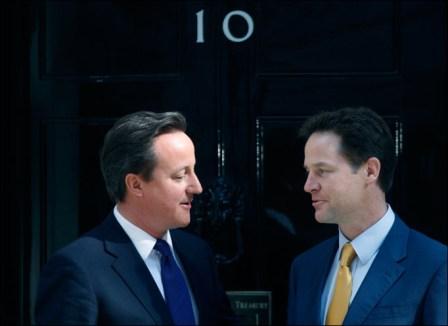
The Prime Minister David Cameron supported first-past-the-post system while Liberal Democrat leader Nick Clegg campaigned the Alternative Vote system.
Substainers of pro Alternative vote campaign claimed that under the current system single party difficulty reaches a large majority. This create a wast of votes and people are not encouraged to voting. First-past-the-post system, they said, has an important weakness: two-thirds of MPs are elected with less than 50% of support of voters and that this undermines democracy and reduces the legitimacy of MPs.
Opponents to Alternative Vote system instead asserted candidates are elected on a manifesto and voters aspect its implementation. Under the alternative vote system instead the government does not reflect the will of the public and they highlighted as the current system (first past the post) leads to stable government.
After the referendum results Clegg said: “I wish I could say this was a photo finish but it isn’t, the result is very clear. I’m a passionate supporter of political reform but when the answer is as clear as this, you have got to accept it.”
In the same time Prime Minister Cameron affirmed “English people now want a good, strong, decisive government in a long term national interest of this country. A government of Conservative and Liberal Democratic working together. That’s what we have been for the last year and that’s what we are going to be for the rest of this government.”