Luca zingatetti Inspector Montalbano is performing live in the UK

Thursday 21 July, 9am at the Italian Cultural Institute, 39 Belgrave Square, London SW1X 8NX

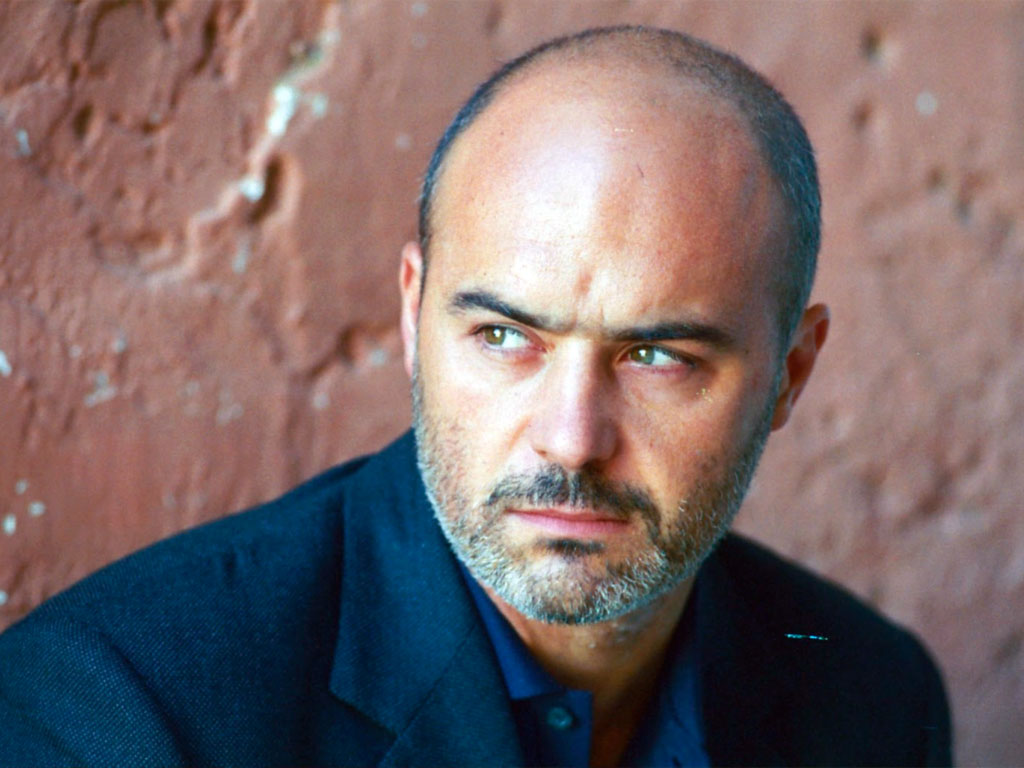
Actor Luca Zingaretti (Il Commissario Montalbano/Inspector Montalbano) is performing live in the UK for the first time a piece based on the book Lighea by The Leopardauthor Giuseppe Tomasi di Lampedusa


Zingaretti brings Lighea to the Sheldonian Theatre, Oxford on 21 July as part of the Blenheim Palace Festival of Literature, Film and Music, and to the BP Lecture Theatre at the British Museum on 22 July as part of Sicilian Splendour, a free evening celebrating the soul of Sicily, past and present, culminating with Zingaretti’s performance at 7,30pm.


Exhibitions on Sicily are currently open both in Oxford and in London. Storms, War and Shipwrecks is at the Ashmolean Museum in Oxford until 25 September, and Sicily: Culture and Conquest, sponsored by Julius Baer, is at the British Museum in London until 14 August.

Mayor of London says the city remains open for international travellers


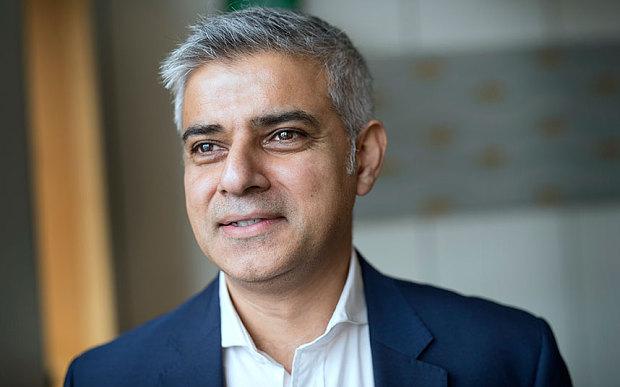
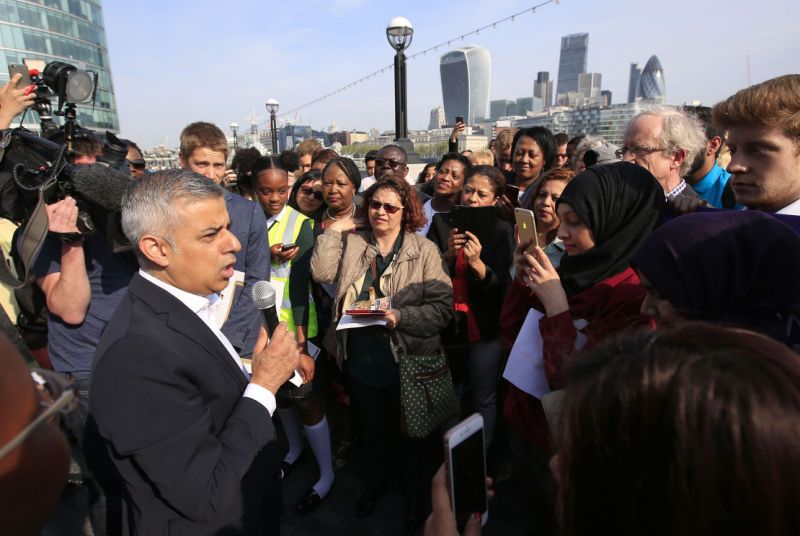
Mayor of London Sadiq Khan today said the city was one of the best places in the world to visit as new figures show the capital remains the favoured destination for international travellers.


According to the Office for National Statistics International Passenger Survey, London received a record 3.8 million visits from overseas travellers in the first three months of this year, an increase of seven per cent, when compared to the same period in 2015.


Spending by international travellers during this period, which included cultural highlights like Lumiere London, a unique light festival which lit up the West End and Kings Cross, was over £2.2billion, an increase of four per cent compared to the same period last year.


Tourism chiefs say there has never been a better time for overseas visitors to visit the capital with hotels, attractions and shops offering great value due to the weakened pound.

The Mayor of London, Sadiq Khan, said: “Yet again we have seen a rise in the number of visitors to London, which underlines how important our world-renowned art, culture, sport, architecture and history is to the capital.


“My message is clear: London is open and welcomes visitors from every corner of the globe.”

Gordon Innes, CEO London & Partners said: “London offers even better value for international travellers than ever before. With events to mark the 350th anniversary of the Great Fire of London and an unrivalled season of cultural events on the horizon this autumn it couldn’t be a better time to book a trip to the city.”

However, despite the weakened pound, it is too early predict the impact of the Brexit vote.

Tourism is worth £36 billion to the London economy every year and creates jobs for tens of thousands of people in the capital.

The UK has also has had a record-breaking first quarter echoing the growth seen annually from inbound tourism with a record 36.1 million visits last year. Last year London attracted record numbers of international tourists welcoming a record 18.6 million.


According to the London Attractions Monitor, a survey of over 50 of the city’s major tourist attractions, visits remained steady at 13.2million during the first quarter of this year compared to the same period last year.

2016 has already celebrated some momentous occasions, including the Queen’s 90th Birthday and Shakespeare 400.


London has a jam-packed cultural calendar of exhibitions, events and performances including, EXHIBITIONISM at the Saatchi Gallery, the sold-out stage production of Harry Potter and the Cursed Child, the much anticipated Groundhog Day part directed by songwriter Tim Minchin and also Romeo and Juliet starring Game of Thrones star Richard Madden.


A major new extension at Tate Modern has been hailed as the most important new cultural building in the UK since the British Library in 1998 – the new extension will provide even more space to display world-class exhibitions.

The highest number of refugees in our time

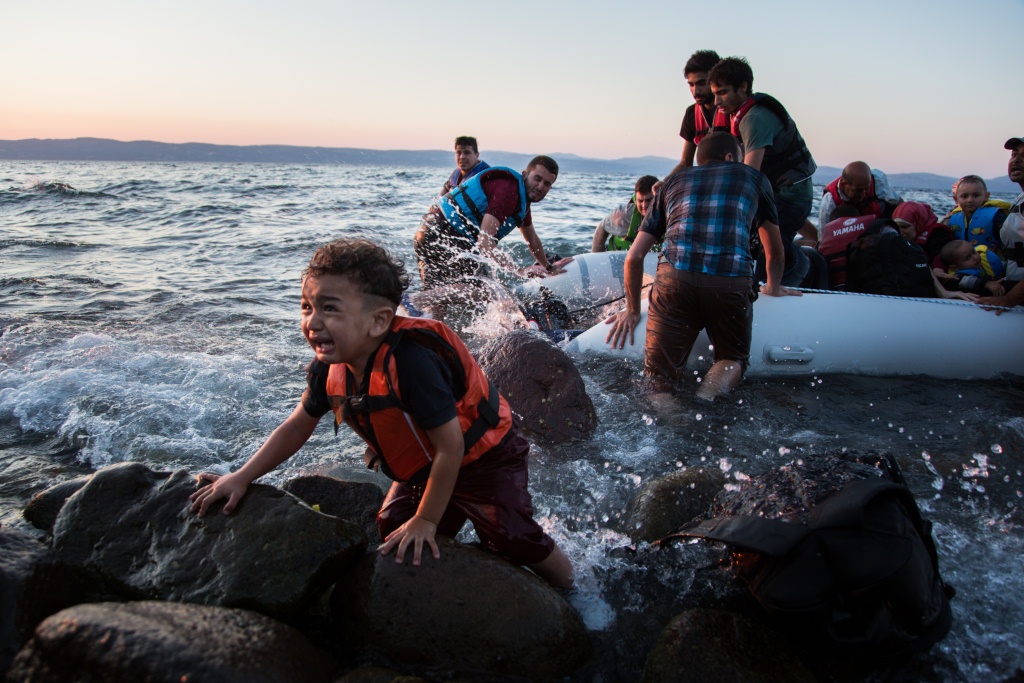
The latest report from the United Nations High Commission for Refugees ( UNHCR ) states that in 2015 there was a record increase in the number of people global forcibly displaced worldwide.

By the end of that year a total of 65.3 million individuals across the globe had compelled to abandon their homes as a result of conflict, persecution, generalized violence, or violations of human rights. Broadly speaking those forced to seek refuge can be categorized as follows: 

– 40.8 million internally displaced within the borders of their own countries;
– 21.3 million refugees (including 123,00 in UK and 118,00 in Italy);
– 3.2 million asylum seekers (including 45,870 in UK and 60,000 in Italy).
Over the previous four years the global population of forcibly displaced people had already increased by more than 50 %, with 42.5 million in 2011, 45.2 in 2012, 51.2 in 2013 and 59.5 million in 2014.

Ban Ki Moon, the United Nations General Secretary, says, “ We are facing the biggest refugee and displacement crisis of our time. Above all, this is just not a crisis of numbers, it is also a crisis of solidarity.”
Filippo Grandi, the UN High Commissioner for Refugees, states “ The willingness of nations to work together not just for refugees but for the collective human interest is what’s being tested today, and it’s this spirit of unity that badly needs to prevail.”

In 2015, 8,6 million people were forced were newly displaced within the borders of their own countries by armed conflict, generalized violence, and human rights violations. Taking into account the cumulative figures of previous years, Colombia ranks as number one for having the highest quantity of internally displaced people (6.9 million), followed by Iraq (4.4 million ).

In 2015 again, 1.8 million people were forced to flee their countries and become refugees. Turkey registered the largest number of new refugees, including 946,800 from Syria.


More than 50% of all refugees worldwide come from just three countries: Syria ( 4.9 million ), Afghanistan ( 2.7 million ) and Somalia ( 1.1 million ). The overwhelming majority of Syrian refugees were hosted by neighbouring countries, most notably Turkey ( 2.5 million ), Lebanon ( 1.1 million ), Jordan ( 628.000 ),
Iraq ( 244.000 ) and Egypt ( 117.000 ). Major hosted countries for Syrian refugees outside the immediate region include Germany (115.600) and Sweden (52,700).
The Afghan refugee population worldwide was estimated at amounting to 2.7 million at the end of 2015. The majority of these refugees are now in Pakistan (1.6 million), Iran ( 950.000 ), with further 30,000 in Germany, 17,500 in Austria, 13,100 in Sweden, 12,200 in Italy and 10,200 in India.
Over 1 million people arrived in Europe in the course of 2015 year, mainly from the three countries best known for crating refugees: Syria (50 % ), Afghanistan ( 21% ) and Iraq ( 9% ), and also from Eritrea, Pakistan, Iran, Nigeria, Morocco and Sudan.

The majority of these new arrivals – at least 850,000 people – crossed the Aegean Sea from Turkey and arrived in Greece, while the minority crossed the Mediterranean Sea and fetched up in Italy (153,800) and Spain (15,400 ). At the same time some 3,770 people died or were reported missing at sea.
The conflicts in Afghanistan, Iraq and Syria have drawn international attention to the dramatic exodus of forcibly displaced peoples, but other humanitarian crises are also scaring Burundi, Libya, Niger, Nigeria, Sudan, Central African Republic, Congo and Yemen.
Every 60 seconds an average of 24 people worldwide are forcibly displaced from their homes. The number of displaced persons is now equal to the population of what would rank as the 21st largest country in the world, ahead of the United Kingdom.
According to the UNHCR’s report, war – or armed conflict – is the main driver of the forcible displacement of people as refugees, of which 50% are children.


In every country the general public is becoming increasingly sensitive to whatsoever is perceived as the effects of immigration on living standards, and people traffickers are generally looked upon as the perpetrators of the greatest of all evils, requiring immediate eradication by any means available. At the same time, however, people hesitate to demand that their governments promote peace and better conditions for life in those areas where people traffickers flourish.


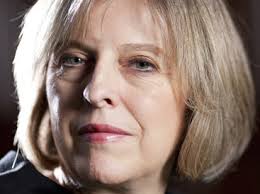
Tory Leadership race – Theresa May, in Maggie’s footsteps

Meticulous, fierce, determined, exactly the type of leader the country needs for the post-Brexit negotiations.

The British political scene has gifted us with 10 days of absolute drama-galore. Not for the faint-hearted, that is, because we went overnight from being a fundamental member of the EU to one destined to irrelevance in shaping its future, from having a successful Prime Minister to a resigning one, from preparing to count the votes for the seemingly pre-destined histrionic Boris Johnson as the party leader to seeing him pulling out of the race following one of the shrewdest, most treacherous political acts in recent history.

Wow! If times weren’t so damningly serious and uncertain, I’d say I’ve enjoyed being bombarded by the unfolding events, by such an outburst of dramatic developments.

But down to the point, the race for the Tory party leadership has taken a significant swerve to one quite unexpected outcome. With the premature departure of Boris Johnson, who not so valiantly turned his back on the country following Gove’s announcement – a superbly deceitful act of betrayal that outwitted BoJo and left literally everyone jaw-dropped – the contest has seen all attention focused on Theresa May.


The gutsy Home Secretary reminds me of Maggie Thatcher, no so much for her thundering personality – on the contrary Mrs May is quite posed and defiantly cool – as for the sturdiness of her character and action. She is not the type of person who would shy away from the mandate of the British people to leave the EU, and at the same time she would provide a strong, determined leadership to present the most compelling case in the Brexit negotiations with a greatly needed touch of pragmatism and realism, which obviously Gove lacks.

Most of the Tory MPs have already announced May as their preference for the new party leader and Prime Minister, proving the extreme confidence in her ability, meticulousness, commitment and dedication.
In her candidacy speech, the longest serving Home Secretary in the history of the country showed intelligence, charisma and determination, talking about the need to unite the nation and to conduct the Brexit negotiations with the utmost competence and seriousness.


“Our country needs strong, proven leadership to steer us through this period of economic and political uncertainty, and to negotiate the best possible terms as we leave the European Union. We need leadership that can unite our party and our country,” convincingly announced Mrs. May, showing that she understands the reasons behind the will of the majority of the British people to leave the EU.


But even more importantly, she was in the side-lines of the Remain campaign – mainly due to the fact that she fully understands the implications of the failures of the EU in managing the immigration crisis – indicating her sense of realism. The immigration crisis in the EU has worked as a pretty strong point in mobilizing and convincing the Leave voters, and despite Nigel Farage and UKip having exaggerated the reality of facts and the implications for the UK, it still is a real issue and an enduring crisis.


The consequences of leaving the EU, despite the necessity of it to be reformed, are going to be profound for the UK as well as for the EU itself. Theresa May knows this perfectly well, and her detachment from the heat of the battle would provide the cool-headed, pragmatic leadership that this country needs in these very turbulent, uncertain times.

https://murtasblog.wordpress.com


Brexit una settimana dopo – alcuni possibili scenari

Brexit una settimana dopo - alcuni possibili scenari

( i punti di Elena Zunino) E’ già trascorsa una settimana dalla data – certamente storica – della … READ MORE

 Theresa May o Micheal Gove?

Theresa May o Micheal Gove?

Facciamo il punto della situazione e capiamo chi sono Theres…

Brexit – What can companies do to mitiga…

Italy is recovering from the most dire global financial crisis in modern times

Italy is recovering from the most dire global financial…

Italy is recovering from the most dire global financial crisis in modern times


Domestic solidity is of great importance for Italy; so are political stability and predictability. In times of economic and political uncertainty following Brexit, the latter would come in handy to Great Britain too 


The Independent has recently shown an interest in the future of Italy’s political and economic landscape. An article published earlier this month (“Why Italy’s economy is about to collapse”, Monday 20thJune) was rich in data yet the perception it created of the country was anachronistic to say the least, failing as it did to take account of the commitment to reforms of ordinary Italians and their Government. The article wrongly placed Italy in a doomsday scenario, which is actually more likely to happen elsewhere.


The fact is, Italy is recovering from the most dire global financial crisis in modern times. After several challenging years, confidence among consumers as well as businesses is rising. Growth in GDP and employment is finally on a clear upward trend. This happened through a parallel path of institutional and structural reforms to streamline governance in both the economic and political sphere, thus attacking the structural causes of traditional weaknesses.


We pushed even stronger for reforms when the European Central Bank’s Quantitative Easing and the fall of oil price could have done the job for us. According to the OECD, “progress on the structural reforms programme is contributing to strengthening long-term growth prospects”. In fact, the “Jobs Act”, new legislation to speed up civil justice and a new public procurement code for construction works, as well as scaling up the fight against corruption through the newly created National Anticorruption Agency, together with several other major reforms, are all boosting competiveness and supporting job-creation.


Italy has been running a primary surplus since 1995, with the sole exception of 2009. The reforms of the labour market and the banking system have consolidated investors’ confidence and the level of cross border mergers and acquisitions in Italy in 2015 reached a record high; as did the flow of foreign direct investment to the country. 

rome.jpg

Our deficit has contracted from 3 percent in 2014 to 2.6 in 2015 and it is estimated to further shrink to 2.4 in 2016 (just as a comparison, UK recorded a deficit-to-GDP ratio of 5.6 in 2014 and is expected to contract to 3.4 in the current year, even before the Brexit effect is considered). Public spending has been reduced and rationalized, thanks not least to a public administration efficiency drive.

Government debt is not “approaching 140 per cent of GDP”, as your recent item had it; rather it reached a peak of 132.7 per cent in 2015 and has started to decline since the beginning of this year. Moreover the latest European Commission Fiscal Sustainability Report argues that Italian public finances are the most stable over the long run in Europe thanks to the fully implemented reform of the pension system. With regard to infrastructure, which according to your article dates “back to the immediate post World War II era”, we warmly invite your readers to travel between Rome and Milan in less than three hours on one of the most comfortable trains in the World, running at 186 m.p.h.

Domestic macroeconomic solidity is of great importance for Italy. So are political stability and predictability. In times of economic and political uncertainty following Brexit, the latter would come in handy to Great Britain too.

Pasquale Q. Terracciano, Ambassador of Italy to the United Kingdom

A Post-Brexit View of the UK High-Tech Sector


LONDON  The tech sector accounts for around 10% of UK GDP, and is one of the fastest growing components of the economy. With a thriving start-up community, including a strong focus on FintechLondon is widely renowned as the digital capital of Europe.

Before the EU referendum on June 23rd, a number of surveys of technology business leaders pointed to a strong preference to remain part of the EU – with access to skilled personnel, ability to strike better deals on trading relationships across the EU, and funding benefits coming to the fore. Proponents of Brexit pointed to the potential ability to be flexible and competitive in the global economy, and the possibility of removing some of regulatory burden imposed by Brussels.


After the vote, which will go down as one of the most important developments in UK history, the tech sector will seek to make sense of the new opportunities and challenges that lay before it. As with the broader economic context, there will be a period of uncertainty and adjustment, but business will move forward and embrace the new status quo. While there will be consequences across a multitude of areas; in addition to general question marks over trading relationships and logistics, 4 key points are the main areas of focus in a post-Brexit world:


  1.                 Skills shortage – the UK tech sector and all of the innovation that surrounds it needs highly skilled people to flourish. Today, it is able to tap into the EU – but even then, we still have a shortage in certain areas. By putting a brake on immigration, companies may struggle to find the people they need to drive their businesses forward. In addition, EU citizens working in the high-tech sector may feel their careers are best served elsewhere – there’s a real possibility that many will seek opportunities elsewhere in Europe.
  1.                 The role of the UK as a Digital hub – for many firms seeking to harness opportunities, the UK has long been seen as a gateway; especially for US firms, due to the cultural affinity between the two countries. Start-ups have also been attracted by the cultural of innovation fostered in London in particular.
  2. With such uncertainty, will major IT providers want to retain their European headquarters in the UK, or will the lure of operating within the EU work to the benefit of Paris, Frankfurt and others? In addition, not being a part of theDigital Single Market could result in further isolation and deprive the UK of the benefits of cross border online trade / e-commerce.
  1.                 Cutting the red tape, or just introducing more? – Data protection and regulation has been an area of hot debate for many years. While the UK may well adopt a variant of the EU General Data Protection Regulation, Brexit may make it harder for companies to navigate legislation and ensure they abide with the varying rules in different countries. Knowing where data is stored will also become more important than ever, to ensure that data is secure and privacy is maintained. Additionally, the EU has been driving policy on how US firms collect and manage user data it collects from Europe and negotiated the “EU-US Privacy shield” agreement. With Brexit, the UK will not be a part of this agreement post 2018 and will need to negotiate new terms directly.
  1.                 Access to funding and credit – although the Bank of England has been quick to state it has plans in place to support the UK economy and the financial services sector, concerns will be raised with regards to the ability to obtain credit and funding – especially among start-ups. The European Investment Fund (EIF) is the largest investor in UK venture capital firms – whether this funding stream remains in place, and for how long, is a major question mark.

There are many more issues that will come to the fore over the coming months as the dust starts to settle.  For example, pan-European contracts will need to be renegotiated, and IP/trademarks may require separate treatment for the UK and the EU. Individuals and companies will be assessing their options – and many will not wait until formal exit negotiations are concluded to put their plans in place.Nevertheless, the UK has long demonstrated it has an innovative and resilient tech sector and we expect it to weather the initial turbulence and uncertainty resulting from the Brexit vote.


photo go.sap.com

MARGRAF: exclusive Italian marble and the new World Financial Center project

MARGRAF invite to the press conference – that will take place on June 29 at 9:00 a.m. at The May Fair Hotel, London – to discover its exclusive Italian marble and the new World Financial Center project – New York, with the participation of Arch. Craig Coperland – Pelli Clarke Pelli Architects.


Margraf’s story (former Industria Marmi Vicentini) started in Chiampo (province of Vicenza) in 1906. Since its early start, the company devoted to accurate research work and development of new technologies, working in tight collaboration with famous international architects.

Today, after more than a century, Margraf is a leading, world stakeholder in this field.

Among many other pluses, Margraf owes its worldwide established reputation to its skilful extraction of marble and the ability to transform it into finished, polished slabs or tiny tiles and to provide a huge array of precious materials and excellent products for building construction and architecture (from the cladding of inner and external walls, to interior design items, to bathroom and kitchen decoration). On top of all this, Margraf ensures extensive environmental compliance investing any efforts to minimize any possible kind of environmental impact.


This includes the use of cutting-edge technologies, the implementation of landscape recovery and energy saving practices, as well as the exploitation of renewable resources. Margraf is a perfect merging of past and present forming a first-class enterprise eagerly turned to the future.

Margraf is again running high on the international market: the company headquartered in Chiampo, Vicenza, is going to supply 10,000 sq. m of exquisite marble in customized sizes and formats, out of its quarries of Botticino Classico and Fior di Pesco Carnico destined to the refurbishment of the new World Financial Center in New York.

Pelli Clarke Pelli Architects, the designers who first did the original project back in 1988, took care of the first extensive and large renovation of the existing building.

The works consist in the requalification and rearrangement of the interiors and of the entrance halls with the aim of maintaining the essential parts of the present structure. Recently, a new magnificent lobby was added to the Tower Four South Hall facility in Brookfield Place. The new entrance is wider than in the original plans of the ’80s, and designed as an open space with natural room illumination using sunlight. The overall surface is 24 m wide, 21 m long, and nearly 6 m high. The South Lobby looks out towards the east, on Brookfield Place, and south, with a beautiful view of Battery Park City North Cove Marina. MARGRAF S.p.A– Via Marmi, 3 – 36072 – Chiampo (VI) – Italy – tel. +39 0444 475900 – info@margraf.it – www.margraf.it Margraf Botticino Classico and Fior di Pesco Carnico have been respectively used to clad a wall in the core space, the side walls, and the entire interior floor. Fior di Pesco Carnico and Botticino Classico slabs have been laid on every surface according to an apparently random pattern, merging hues without any recurrent vein.

This was meant to enhance the natural tones and streaks of the different materials and to ensure greater, overall brightness. Therefore, the refurbishment and finish of the South Lobby translates into a new, wider access to the Tower, embellished by new natural materials “made in Italy”. In order to ensure consistency with the remaining older parts of the facility, Pelli Clarke Pelli Architects decided to use the same Fior di Pesco Carnico as for the first part of the project in the ’80s.

This exquisite marble in changing hues from grey to rose, and white, with ivory streaks, and a coarse, grained texture is exclusive to Margraf and comes from the only existing quarry of Forni Avoltri (Udine). When asked, Architect Cesar Pelli explained that Fior di Pesco Carnico teams perfectly with any other marble type: “… We actually use it quite often in combination with marbles in other colour shades. I wanted a marble type that could be used in concert with green, red, and orange hues and Fior di Pesco Carnico performs very pleasingly because it contains a bit of all colours.

Nevertheless, you can also use it by itself to get very attractive and vivid flooring effects …” The architect’s love for this natural material means that he has been promoting its application all over the world, from the Winter Garden of the original World Financial Center in New York, up to the Canary Wharf Main Tower in London.

For over a century, Margraf has been siding with international architects in their master works in Italy and abroad, thus becoming an icon of the excellence of the “made in Italy” all over the world. Industria Marmi Vicentina experienced its first success in the USA back in 1906 when the first skyscrapers were built. Since then, many important projects have been executed, including for instance the Coca Cola Building in Atlanta, the IBM Tower in Georgia, and the Smith Centre for the Performing Arts in Las Vegas. Nowadays, Margraf’s marble and natural stones are an increasingly frequent “specification” for the construction of many hotels, luxury residential homes and community spaces.


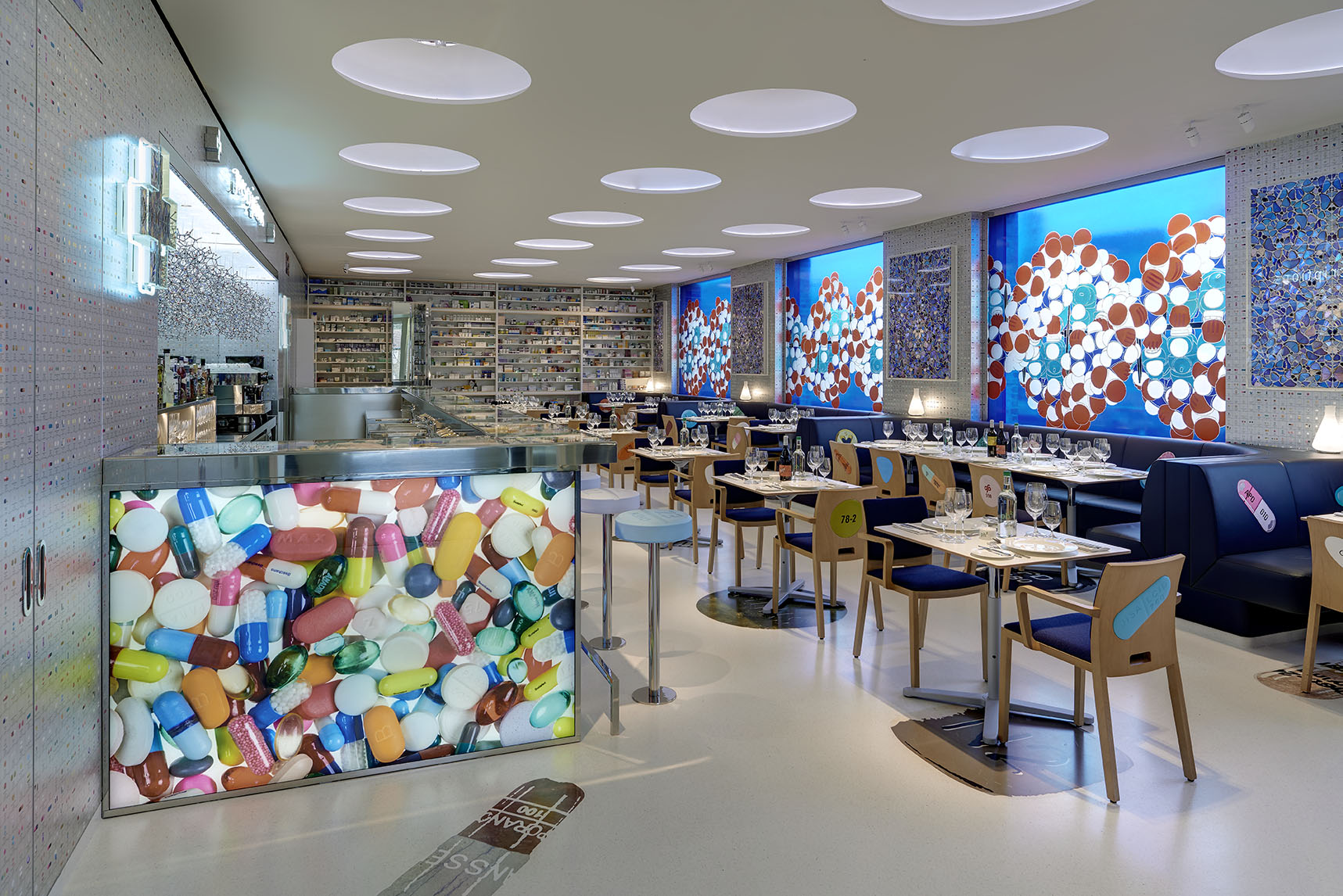
Margraf and Damien Hirst in London: The Pharmacy 2 is born Located within Newport Street Gallery in Vauxhall, Pharmacy 2 is Damien Hirst’s restaurant, launched in collaboration with Mark Hix.

The restaurant opened on February 23rd, serves traditional British, European and Mediterranean specialities to the Gallery’s visitors during the day, and in the evening after the gallery is closed.

Thanks to a long tradition in the processing of marble and to the use of cutting-edge technologies, Margraf was chosen by the Caruso St John Architects firm to create an extremely original floor: a white surface of marble resin, inlaid with 21 large pills, carved using new generation waterjet machinery, finished by hand, and made with 35 types of brightly coloured fine marbles (green, red, yellow, blue, pink, blue, etc.).

It is a spectacular match of workmanship and technology. The company based in Chiampo, near Vicenza, has been for years a leading player in London through its collaboration with the city’s most prestigious architectural firms: from the Main Tower in the Canary Wharf finance complex, through the prestigious Fenwick Bond Street luxury mall, to the Burlington Arcade, the historical shopping gallery that hosts luxury shops, reopened in 2015, after a long and complex renovation effort.

Technical details Design: Caruso St John Architects Address: Newport Street Gallery – Newport Street – London – SE11 6AJ Stone Used: Azul Macaubas, Azul Cielo, Bardiglio Imperiale, Bianco Thassos, Bianco Carrara, Bianco Laser, Bianco Statuarietto, Blue Luise, Emperador Dark, Giallo Reale, Giallo Siena, Jerusalem Gold, Lapis Blue Extra, New Damasco, Nero Belgio, Onice Rosa, Onice Verde, Quarzite Rossa, Rosso Alicante, Rosso Lepanto, Rosa Sabrina, Rosa Portogallo Chiaro, Travertino Giallo, Travertino Al Verso, Travertino Rosso Soraya, Verde Guatemala, Verde Pavone, Verde Giada, Arancio di Selva, Bianco Cintillante, Verde Pavone, Verde Acquamarina, Azul Bahia, Verde Jasmine, Emerald Quartzite. Dimensions of the round pills: 92 cm in diameter Dimensions of oval pills: 95 x 30 cm
Brexit – What can companies do to mitigate the impact?


In the wake of the Leave vote Frost & Sullivan explains that organizations should use the new reality to influence the economy and society in a positive way


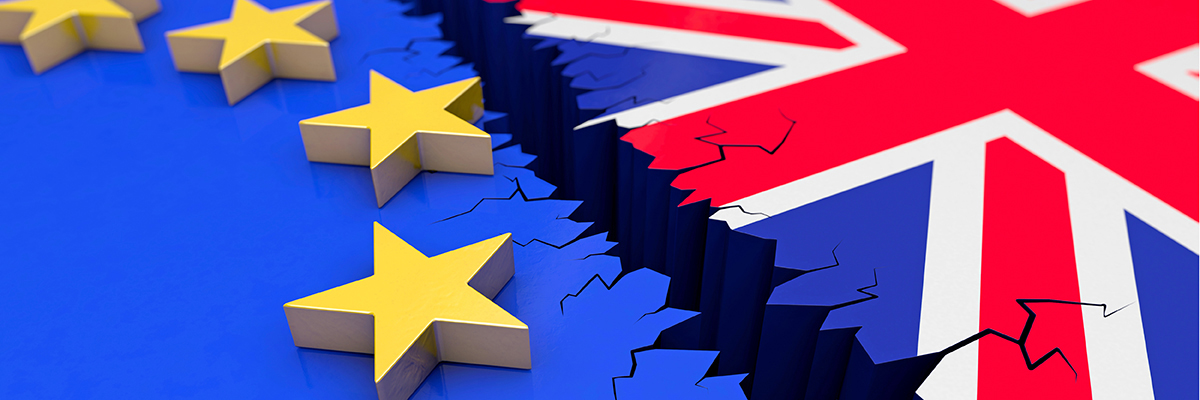
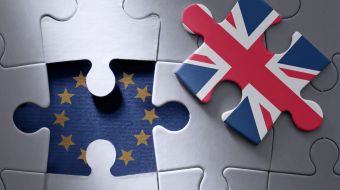
LONDON – The United Kingdom, Europe and the world woke up this morning to a new reality.  With the majority of the population voting to leave the European Union, Britain has started today its road to separation.


With sterling plummeting to its lowest level in 31 years and the stock market falling sharply this morning, what lies ahead? What will be the impact on companies and markets? What can be done to mitigatepotential repercussions that Brexit will inevitably bring? Even more importantly, how can companies adapt to the important changes coming our way and identify new opportunities?


Frost & Sullivan is already working with its clients to assess, review and plan strategically for the future to create a positive impact on the economy and society.


As we all know Brexit is likely to take a minimum of 2 years to materialize, with the process for withdrawal from the EU expected to start when Article 50 of the Treaty of Lisbon is triggered. Once the intention of separation is formalized, Britain will begin to negotiatewithdrawal terms with EU member states on issues such as trade tariffs and the movement of UK and EU citizens, in effect laying the ground for its redefined relationship with the EU.

Senior Partner and Managing Director for Europe Sarwant Singh explains: “It is important to note that during this interim period, Britain will still be subject to existing EU treaties and laws, but will be barred from decision making processes. Therefore, existing regulations are likely to continue until negotiations are completed.


However, given that UK is the first member state to leave the EU, there is uncertainty regarding the path ahead,” adds MrSarwantSingh. “This could trigger a dip in business sentiment and delays in FDI (Foreign Direct Investments)On a positive note however, Brexit could pave the way for Britain to expand trade relations with the rest of the world beyond EU, and this would especially help mitigate risks arising from excessive reliance on one trading partner.”

Looking at the UK financial sector, Senior Partner Gary Jeffery admits that “there may be risks if financial institutions lose passportingrights which presently allow for the sale of services across EU states without the need to secure local regulator approval.”


Britain could also see the departure of automotive plants from its shores if manufacturers cease to enjoy the benefits of tariff free trade with the EU.Currency volatility could persist in the medium term given the uncertainty of the path ahead and if the devaluation sustains, we could see exports becoming more attractive, therefore benefitting UK based manufacturers.


Although the results are a cause for concern, one must remember that they also herald the mark of a new beginning for the UK which will be influenced by a strong government policy, the success of negotiations with the EU and the rest of the world. We will have to wait and watch to see how the nation’s growth story unfolds.

UK Independence Day

UK Independence Day June 23 has become an historic date for the United Kingdom; 46,501,241 people turned out to vote for the EU referendum.

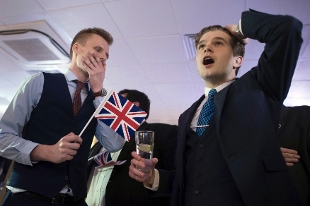
“Leave” and “Remain” had been head to head from the very first minute, when the polling stations opened at 7am, until the very last, at 10pm; even though the “Remain” seemed to be winning until 4 am, when the tables have turned. 17,410,741 (51.89%) to 16,141,241 (48.11%). “Leave” won.

The 12 regions of the UK voted: Scotland, London, Northern Ireland voted remain (62.0%, 59.9% and 55.7%). In the South East, Wales, South West, North West, Eastern, Yorkshire & Humber, North East and East Midlands “Leave” won, with a big gap. The highest percentage of “Leave” (59.3%) has been in West Midlands.

The results have been announced this morning, June 24: the United Kingdom is not part of the EU anymore. Prime Minister David Cameron announced resignation after the vote.

“I’m very proud and very honoured to have been Prime Minister of this country for six years,” said Cameron this morning. “A negotiation with the European Union will need to begin under a new prime minister and I think it’s right that this new prime minister takes the decision about when to trigger Article 50 and start the formal and legal process of leaving the EU.”

After all the effort they went through to keep Scotland part of the UK, is it going to leave for good? The British vote to leave the European Union has shocked the world as well as the financial markets bringing the British pound down to a 31­year low.

The sterling’s value has been dropping drastically during the day, the pound sterling sank as low as $1.35 dropping in value 10%.

“Indeed for many people the supposed guarantee of remaining in the EU was a driver in their decision to vote to stay within the UK.” said Scotland’s First Minister Nicola Sturgeon. She announced that a second Scottish Independence Referendum is “highly likely”.

“I will also be communicating over this weekend with each EU member state to make clear that Scotland has voted to stay in the EU ­ and that I intend to discuss all options for doing so.

” There is already a campaign calling for London Independence; and London Mayor Sadiq Khand reassured immigrants that they have a place in UK. What is going to happen now? Is Boris Johnson going to replace Cameron? Is Scotland becoming independent? Leaving the EU would be a big step but will it set the nation free or condemn it to economic ruin?

The decision has been taken: will the UK take the control of its borders back? Will it be free from the EU “oppressing” rules becoming an even stronger country? The answers to these questions are mostly unknown but it will take time to have them all.

London divorced Bruxelles, will it regret it? The negotiations will start in the Belgium Capital on June 28, and it seem that it will take two years to come to a resolution. What we are certain about is that this is the beginning of a new chapter of the English History.

Sadiq Khan -you are very welcome here you are very welcome here

I want to send a clear message to every European resident living in London – you are very welcome here. As a city, we are grateful for the enormous contribution you make, and that will not change as a result of this referendum.

There are nearly one million European citizens living in London today, and they bring huge benefits to our city – working hard, paying taxes, working in our public services and contributing to our civic and cultural life. We all have a responsibility to now seek to heal the divisions that have emerged throughout this campaign – and to focus on what unites us, rather than that which divides us.