London – by Chiara Fiorillo
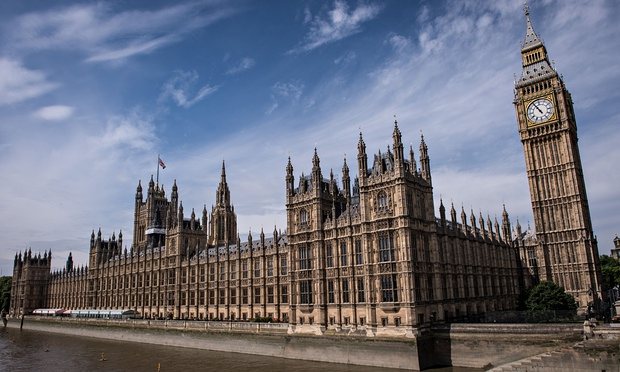
Yesterday night, 8th February, MPs in Westminster discussed the Brexit Bill. With 494 votes against 122, the Bill allowing Brexit to begin has been approved by the House of Commons. It will now pass on to the House of Lords, entitled to make the final decision. Since the majority of votes has been overwhelming, the Bill can be passed to the House of Lords without any amendment.
Clive Lewis, Shadow Business Secretary, has been one of the 52 Labour MPs who decided not to follow their party’s orders and vote for the Bill instead. As soon as he voted, he resigned as Shadow Secretary, declaring that he could not vote against something he thinks can benefit the country.
If the Bill is approved by the House of Lords, the PM Theresa May will try and trigger the negotiations to take the UK outside of the EU by the end of March.
Moreover, MPs have rejected a Bill to guarantee EU citizens living in the UK permanent residency. With 332 against 290 votes, the Bill did not pass. Among the MPs who voted for it to pass, three (Ken Clarke, Andrew Tyrie and Tania Matthias) are Tories.
Dick Newby, Leader of Liberal Democrats in the House of Lords, said respecting and protecting the rights of EU citizens is among the priorities of his party. He said he is sure Labour Party MPs will support his party when the House of Lords will have to vote for the final Bill.
During the debate, before the vote, the former Culture Secretary Ed Vaizey said the Home Secreary, Amber Rudd, has reassured the Conservative MPs about the status of EU citizens after Brexit. In a letter, he has indeed written that it can change only once the UK leaves the EU. He also said that there will be a new immigration bill: nothing can change for both EU citizens already living in the UK and for those moving now without parliament’s approval.
A spokesman of the prime minister, however, has added that defending the rights of EU citizens living in the UK will also be one of the priorities Theresa May wants to keep in mind while negotiating the exit.
According to Vaizey, who backed Remain during the EU referendum, negotiations will be tough and, he said, MPs who backed Brexit need to reassure EU citizens that their rights will be respected.
Caroline Lucas, Green Party MP, who voted for the amendment, said the refusal of Theresa May to guarantee EU citizens’ rights already now is “immoral”. “What we are talking about are people’s lives. People’s lives are not to be traded as part of some wider deal,” she said.
David Jones, Brexit Minister, said the status of EU citizens will be central in discussing Brexit’s terms, but that it will be wholly defined only once the negotiations to take the UK outside of the EU actually start.