The wonders of life

Life is made up of many special events, one of them is fertilization. It ‘a phenomenon of sexual reproduction, in which two gametes from different species bind to bring the formation of a new cell, which later take the name of the zygote.

There are several cases of fertilization: there is the inner one, in which the male gametes are released directly into the female apparatus, and the external one which is that fertilization which mostly takes place in water, in which the individual releases the gametes so that the another individual may collect them in opportune moments. Finally there is the assisted reproduction in which the union of gametes occur via artificial. But what are the stages of fertilization? Firstly million sperm reach the fallopian Faloppio, which are later attracted the oocyte, but only one of them manages to penetrate the egg, and then finally to fertilize the zygote. As a result of this process is followed by others, such as the development of the embryo, placenta and fetus.

The placenta begins to develop at conception.

It is therefore a vital organ to the fetus, with which it is in close relation. The main task of the placenta to the fetus is to ensure the necessary nutrients for proper development.

The fetus is nothing but the product of “mutations” that the embryo undergoes from the third month. Life is made up of many events, processes unknown to us, we begin to know them without dwelling on what’s appearance.

The wonders of life

Life is made up of many special events, one of them is fertilization. It ‘a phenomenon of sexual reproduction, in which two gametes from different species bind to bring the formation of a new cell, which later take the name of the zygote.

There are several cases of fertilization: there is the inner one, in which the male gametes are released directly into the female apparatus, and the external one which is that fertilization which mostly takes place in water, in which the individual releases the gametes so that the another individual may collect them in opportune moments. Finally there is the assisted reproduction in which the union of gametes occur via artificial. But what are the stages of fertilization? Firstly million sperm reach the fallopian Faloppio, which are later attracted the oocyte, but only one of them manages to penetrate the egg, and then finally to fertilize the zygote. As a result of this process is followed by others, such as the development of the embryo, placenta and fetus.

The placenta begins to develop at conception.

It is therefore a vital organ to the fetus, with which it is in close relation. The main task of the placenta to the fetus is to ensure the necessary nutrients for proper development.

The fetus is nothing but the product of “mutations” that the embryo undergoes from the third month. Life is made up of many events, processes unknown to us, we begin to know them without dwelling on what’s appearance.

WHAT TIME IS IT?

The most immediate unit of measure to gauge time intervals is probably the day, understood as the period between two sunrises and two sunsets.

However the need was born, to measure a time interval much less than a day. For this reason, they were created instruments able to measure short intervals of time with precision. For many centuries the only instruments to measure time were sundials and hourglasses, today known as the oldest clocks.

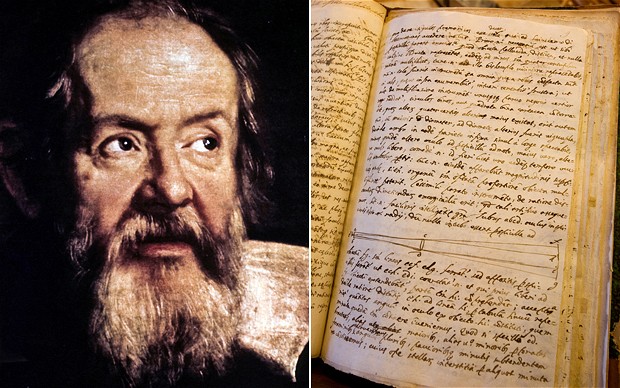
A giant step, to cage and study time, was made by Galileo Galilei, simply observing the effect generated by the wind on the lamp in a church in Pisa.

Galilei discovered that the oscillation of a pendulum takes place at regular intervals of time, independently on the mass used or on the amplitude of the oscillation itself.


This effect is called isochronism of the pendulum. So, from what depends on the period of oscillation of the pendulum?

The period of the pendulum is a function of two parameters, the pendulum length (l) and the gravitational acceleration of the place (g).

Thanks to these discoveries made by Galileo, it was possible to create the mechanism that allows the functioning of the watches. They are divided into pendulum, quartz and atomic clocks. The main components of the pendulum clock are the following:

-The Case: to protect the mechanics from external atmospheric agents especially from dust.
-The Mechanical: it is essential to provide the time.
-The Escapement: it is the organ that counts time.
-The Ringtone: has a drive independent member, formed by many gears and levers that stop at the moment when the hands reach predetermined points.

An important meaning to be attributed to the concept of a limp.
This means that the time between the tick and the tack, must be the same as that between the tack and tick.
This situation occurs only when the clock is perfectly upright.

Quartz watches are made up of two structures, one external and one internal:

– The housing is formed by the strap, the dial and the hands.
– Internal structure: allows the perfect operation of the device.
It’s composed by:

– Battery power: the battery powers the oscillator circuit.
– Or Stepper Motor Stepper: has the main function to receive electromagnetic signals from the oscillator circuit and turn them into a mechanical movement.

– Circuit Oscillator: Determines the operation of stepper.
– Capsule Crystal Quartz: is an airtight container that contains a Quartz crystal. The capsule of Quartz crystal is a simple electric transducer.
The atomic clock is a clock type in which the base of time is determined by the frequency of an atom. It is extremely accurate and is capable of varying the phase of just one second every five billion years.


Galileo : The scientific revolution man

Humankind has always wanted to know and understand the world he live in; one of the fields that study this is astronomy. In particular scientists dedicated themselves to the study of Universe, developing new theories about it.

The geocentric theory is one of them and it is considered important because it was able to establish itself for many centuries.
According to this theory the Earth was situated at the centre of the Universe and the planets orbited around it drawing circular orbits.

This theory is also called Aristotelian or Ptolemaic theory, since it was hypothesized by the Ancient Greek astronomer Ptolemy, who lived in Alexandria of Egypt during 2nd century A.D. The sacred Christian texts, like the Bible referred to this theory.

But around the year 1500 the polish astronomer Copernicus hypothesized a new astronomic theory: the heliocentric or Copernic theory. According to this theory the Sun was at the centre of the Universe while the planets orbited around. However Copernicus was only able to suppose it, not to demonstrate it, as he didn’t have access to adequate scientific tools.

The one who demonstrated it was the astronomer, physicist and mathematician Galileo Galilei (1564-1642).

Galileo was able to prove the theory’s effectiveness thanks to the evolution of science and of its instruments.

One of particular importance for Galileo was the telescope, an astronomic observation’s instrument created for watching phenomenon and enunciating laws. He built this tool, after he came to now that in the Netherlands was invented a glass, which made far things very close.

He perfected this glass, creating a new instrument.
Galileo’s theories were “dangerous” for the Church, because they were not conformed to Christian dogmas. Therefore he received an injunction.
Galileo didn’t attack religious truths, but scientific truths, considering them independents. Faith is about the relationship between mankind and God, the spiritual salvation and the transcendent life.

Religious beliefs are dogmatic, which means they have to be believed as they are, since they are dictated by God and a man cannot experience them in this world, nor explain them. Religious truths are in the sacred texts.

Instead scientific truths are about the material world, in other words the world where a men live and can experience everything around him. They concern and are based on the certainty of phenomenon that a human can demonstrate through observation and experiments. Galileo believed that God was the one who gave humankind the instruments to understand and know the world around, like sense and reason.

In fact he thought nature was an open book written with mathematical characters, so that men could observe, study, enunciate laws on natural phenomenon and gave a scientific proof. This model of study is the scientific method, introduced by himself.

That’s why Galileo is considered the father of modern science.
He also believed that ancient books must be read and interpreted historically, that is the author’s mind must be considered, as well as his time period and his general knowledge.


In order to support the veracity of his theory, Galileo wrote “Dialogue Concerning the Two Chief World Systems” showing two theoretically versions of the Universe, declaring himself impartial.

This work is written as a dialogue between three characters: Sagredo, the impartial one, the naïve Simplicio, supporter of the Ptolemaic theory, and the educated Salviati, supporter of the Copernican theory.

For this writing Galileo was convicted for heresy, because he didn’t follow what was established by the injunction.

Galileo’s discoveries weren’t at first acknowledged due to the controversy with the Church, since it limited freedom of thought and above all every heretical form. Today instead we can see the importance that Galileo had in the science evolution; in fact today we had both the heliocentric vision of the Universe and the scientific method.

A worldwide discovery: Rosetta

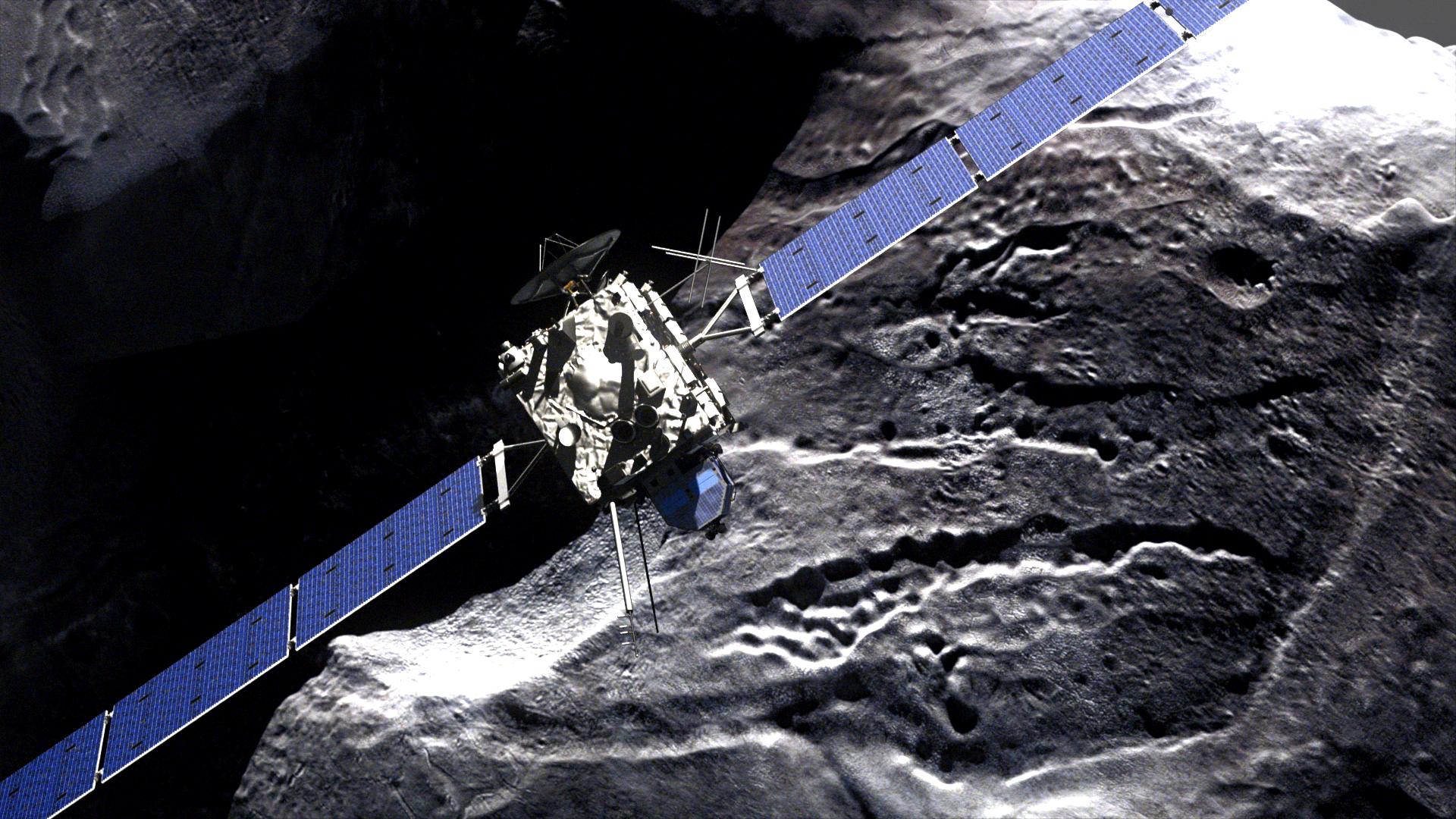
 London – Rosetta’s mission was an important global discovery created by European Space Agency, launched 10 years ago for the study of minor corps in the solar system and in particular of the comet 67/ Churyumov-Gerasimenko. This European mission never tried before take its name by the famous “Rosetta Stone”.

This black granodiorite stele, at the moment in the British Museum in London, was the key to understand civilizations that lived in Ancient Egypt.

A French army leaded by Napoleone Bonaparte discovered this stone near Rosetta, a city on the Nile.

On this stone was incised an inscription to Pharaoh Ptolemy V in 3 scripts: hieroglyphs, Demotic and Greek, the spoken language of the royal dynasty and it was a huge help to translate the Egyptian script. After the French capitulation in 1801, the Stone was brought to the United Kingdom.

The probe is composed by a tool that receive distant information without physical contact and by a lander called Philae that landed on the comet on 12th November 2014. Lander’s name come from the Island of Philae, where it was found an obelisk that crucially contributed to the decoding of Rosetta stone.
The aim of the mission is to discover comets’ origin and their composition, in order to determinate the origin of the Solar System. After Philae’s landing, the first results of the work done during the first 60 hours on the comet arrived.

Thanks to the tool Mupus, which tried to scratch the comet’s surface, it was verified that its consistency was hard as ice. Then the analysis done by tool Cosac on the comet’s atmosphere revealed the presence of organic molecules. Meanwhile the probe Rosetta, still in orbit, will keep watching the comet, following it in its journey toward the sun, to be able to individuate progressive changes of its icy surface.

The secret of conservation mummification

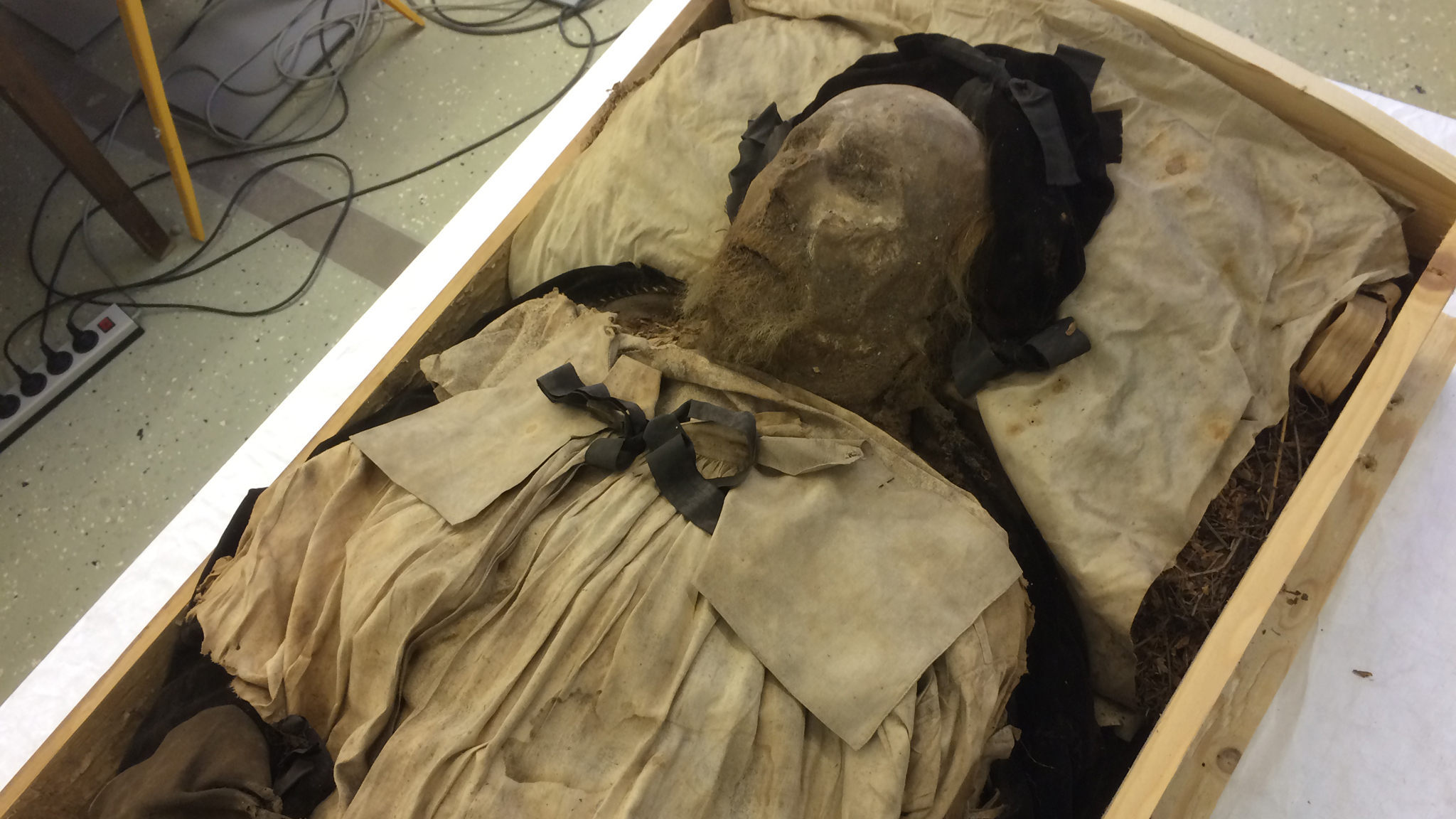
Mummification is a natural or artificial process by which the body undergoes dehydration so faster that the tissues remain similar to set.

Particular internal and external conditions are required.
The mummified body has a brownish colour and the skin has the texture of leather or parchment, which adheres to the bone.

The facial features are quite well preserved. The happening of a natural mummification need some particular environmental factors:

  • – low temperatures, dry and windy, which prevents the putrefaction
  • – burial in dry soils are capable of absorbing large quantities of liquids.
  • – presence of particular kind of moulds who make body dehydrate.

Furthermore mummification is helped by malnutrition, advanced age and big haemorrhage. In media, the process of mummification can take six months – a years, but in many cases mummification takes two-three months.

Mummification can also happen in very cold places, as the Similaun.

The most popular civilization for his mummies is surely the Egypt one. Born as a natural process, the conservation of bodies by mummification became a form of art, which diffusion involved the ritual for pharaoh, his family and, with time, nobles and common people.

The embalmer had to act quickly because of body’s decay.
The first step consisted of removing the internal organs whose presence could accelerate the process of decomposition. Brain, stomach and intestine were removed. The only organ that wasn’t removed was the heart because it was considered the seat of the soul.

The organs removed were placed in vases called canopy jars, to be placed in the tomb along with the deceased. Then it proceed with the dehydration by immersing for 40 days in salt. The body was washed with palm wine that, thanks to the alcohol, prevented the development of bacteria.

Then the bandaging started. Bandages were impregnated with natron, pieces of linen and sawdust. Then the body was wrapped with gauze impregnating of natron for countless layers and later proceeded to the funeral itself with the arrangement of the body in the grave.


Anatomy of the heart

The circulatory system allows the proper functioning of blood circulation. It consists of a pump, the heart, and a series of pipes that take the name of the blood vessels.

The heart is placed in the rib cage in a space between the two lungs called the mediastinum.

It is as big as a fist and weighs about 300 grams. It is divided into four sections, two upper, called atria and two lower, called ventricles.

The right atrium and the left are separated from each other by the interatrial septum, while the two ventricles are separated by the interventricular septum. The right atrium communicates with the right ventricle through a valve called the tricuspid, while the left atrium communicates with the left ventricle through a valve called bicuspid or mitral. At the level of the right atrium there is the mouth of the superior and inferior quarry vein, while in the left atrium there is the mouth of the pulmonary vein.

At the level of the right ventricle is located the pulmonary artery, while at the level of the left ventricle is located the aorta artery, which is the most important vein in the body.

Anatomy of the HeartThe circulatory system caters both large circulation that the small circulation. The large circulation originates from the left ventricle through the aorta and carries blood to the tissues.

At the level of arterial capillaries the blood gives off oxygen and nutrients, immediately after at the level of the venous capillaries the blood collects waste substances and carbon dioxide. By venous capillaries originates the venous network that ends with the superior quarry veins and the inferior quarry veins which shed blood in the right atrium.

The small circulation has the purpose to bring the blood to the lungs so that it can give in carbon dioxide and charging of oxygen. It originates from the right ventricle through the pulmonary artery and ends with the pulmonary veins that carry blood into the left atrium.

The heart in its functioning produces two sounds called heart sounds, which can be heard through a tool called a stethoscope.

The first tone is due to the closure of the atrioventricular valves with the passage of blood from the atriums to the ventricles; the second tone is due to the closure of the semilunar valves with the passage of blood from the ventricles to the large arteries.

The normal values ​​of cardiac pressure are about 70 per minute.

The normal values ​​of cardiac pressure are between 120 (maximum systolic pressure) and 80 (minimum diastolic pressure). The pressure is measured by the sphygmomanometer.


Mitral lifesaving surgeries

Mitral lifesaving surgeries

London – An innovative technique, currently available only into Cardiology depar… READ MORE

AS WE CAPTURE THE SOUNDS

London – The auditory system is the first of the five senses that develop in the foetus.

It has several functions, the most important is the encoding of external signals can undertake the meaning. Sound perception is probably the most important function because it enables all the anatomical features that allow alert humans to survive.

To encode signals is necessary a transformation of the sound energy into electrical energy and that they are recoded in digital form, the only recognizable from the Central auditory system.

This complex apparatus consists of: the outer ear, middle ear, basilar membrane of the inner ear, inner ear.

The first three constitute the Transmission apparatus, whose function is to transfer energy so that there is adequate stimulation of energy transducers. This is done mainly in the inner ear where happens the analogic analysis of the message, the transformation of energy and the message recoding in digital language.

At this point the stimulus is transferred to the auditory nerve, which in turn sends it to the central nerve structures. As we mentioned at the beginning, the auditory system is formed from the outer ear, composed by: auricle, external auditory canal and tympanic membrane.

More internally than the outer ear is the middle ear, that is formed by a tympanic cavity in which there is the ossicular chain that send the tympanic vibrations to a second membrane.

Membrane vibrations to ossicular chain will cause similar movements on the oval window, behind which there are inner ear fluids.
The movement of liquids form a wave that propagates to the Basilar membrane, on which there are the hair cells that convert mechanical energy into electrical energy.
The inner ear has two types of cells that are divided into external and internal. The external cells are active when receive sounds from 0-60 dB and are able to maximize sounds at low and high intensity inside cells. The hair cells are connected to the auditory nerve fibers which are triggered whenever they are stimulated. Activated nerve, transfer the stimulus to the central nervous system, that makes man conscious of the received message. Pathogen damage can affect all parts of the apparatus, causing various types of deafness of varying complexity. According to the radius of action of pathogenic damage there are difficulties in listening, more or less acute.
Hence derive the hearing loss, distinguishable in communicable and perceptual.

London’s Finest Classic Cars Show

London-All Britain’s automotive tradition in a prestigious location in London
Located at north of London and built on top of a low but suggestive hill, rises a prestigious building known as Alexandra Palace.

The position of this palace is unique because there is a fantastic view on London and its skyscrapers, furthermore around there is a wide and green park and only these two things worth a visiting.

Being there has been a rare privilege, however I was not there for admiring this palace and its enviable position but for assisting at one of most important event of classic car of whole London.

The location could not be better than this for an important and renowned manifestation like this.
London’s finest classic cars show is much more of a simple event of vintage car because is an exposition with the best and worthy models of ever, the visitors have the opportunity to see in front of them, true pieces of museum and these kinds of experience do not happen often.

car1
There were a lot of Ferrari and Maserati but not a lot of Germany’s car, the only exception were some unforgettable Mercedes 300 sl, famous for its gull – wing doors, some Porsche 911 of 70s and 80s, and one Porsche Speedster, the same type of Porsche that the actor James Dean drove the last time before his fatal accident.

A part prestigious models like Ferrari 275 GTB/4, Daytona 365GTB/4, F40, Maserati 3500 and Ghibli, the majority of exposition was focused about the most historical and luxurious brands of Britain tradition therefore: Jaguar, Aston Martin, Bentley and Rolls Royce.

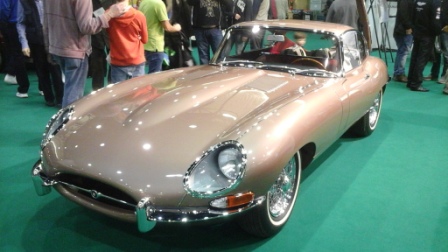
I always been interested at the world of cars, mostly at which of classic cars, and I would be honest if I said that I have not found no car that I did not like. Seeing a Jaguar XK 120 with its original paint and another British icon like Jaguar E Type has been amazing. Probably the Jaguar E Type has been the true queen of this important event, also Enzo Ferrari said that the design of this car made it the most beautiful car of ever, nevertheless it was not the unique interesting piece.

In fact there were others rare automobiles such as Rolls Royce Silver Ghost, acclaimed as the best car in the world between 1906 and 1926, and the successful supercar Mclaren F1; especially this one for its high characteristics and its powerful engine was a true nightmare for its direct competitor: the Ferrari F40.

For the end I want introduce you two of my favourite models of ever that I have had luck to find at Alexandra Palace : the Aston Martin DB5 and the Alfa Romeo Montreal.

car3 The DB5, launched in September 1963, is famous for being the most recognised cinematic James Bond car, its first appearing has been in Goldfinger (1964), while the Alfa Romeo Montreal, called so because was introduced during the motor show of Montreal, is one of the most appreciate sport car by this Italian company.

The production of Montreal has been very limited then is unknown at the people and it is very seldom to see, however its quality and speed made it a great competitor for whatever Lamborghini, Ferrari and Maserati.
London with this important event confirms the important rule that United Kingdom has been holding and still it holds in the world of cars.

Curiosity Why do motorcyclists fold in curve?

London – Everybody watch motorcycle races and enjoy them, but did you ever asked yourself why do motorcyclists fold in curve? You may think they do it just for an esthetic reason, but this is not the case.

In fact it involves physic. Do you know the Italian motorcyclist Valentino Rossi? He’s one of the best in doing so. When he was fourteen and he started his career, he was helped by some physic teachers learning more about the best way to fold in curve.

Motocyclists need to fold in curve because of the centrifugal force. But what is it? Centrifugal force acts on a body who moves in a circular path. It is pushed out of its circular motion by centrifugal force.

Shifting its center of gravity, motorcyclists can balance centrifugal force and centripetal force. But what is it? Centripetal force, like centrifugal force, acts on a body who moves in a circular path but, differently to centrifugal force, it pushed in the body of its circular motion.

This allow motorcyclists to not be catapulted out of its motion.
Physic allows motorcyclists to run right to winning!!