
Elisa is Back to London for her new Tour!

London, Maria Vittoria Bognetti

The great Italian singer and songwriter, Elisa, lands in the UK to perform during her 2019 European tour here in the capital city on the 30th of July and on the 2nd of August in Edinburgh. We will also see the artist performing in other major European cities, around Germany, Switzerland and Norway.

Her music genre can be categorized as alternative rock, influenced by her idols Dolores O’Riordan, Björk, Tori Amos, Alanis Morissette and Aretha Franklin.

Her background in the USA allowed her to expand her audience outside Italy by recording and writing her songs mainly in English, one of the few Italian songwriters that has made such a decision. Come Speak to Me, Dancing, So You Think You Can Dance are few of her most famous tracks in the international scene, and part of a discography composed by nine studio albums, 5 compilations and 51 singles. Her talent has been awarded with 1 diamond disc, 1 multi platinum disc, and 13 platinum discs.


Throughout her career, she performed with prestigious artists from Eros Ramazzotti, Zucchero, Francesco de Gregori, to Luciano Pavarotti. Worth mentioning that her song Ancora Qui, in collaboration with Ennio Morricone, was featured in a Quentin Tarantino’s film, and was nominated for a Grammy Award for Best Compilation Soundtrack for Visual Media.
Her tour will start in Germany, in Cologne on the 20th of July at Luxor and in Hannover on 21st of July at Musikzentrum, moving successively to Norway, Oslo on 23rd July at Blaa. She will go back to Germany, Hamburg on the 25th of July at Fabrik before performing in Switzerland, in Bellinzona on the 26th of July at the Castle on Air. The tour will end in the UK, first performing in the capital city at the Union Chapel, and successively in Edinburgh at the Liquid Room.

https://www.elisatoffoli.com/
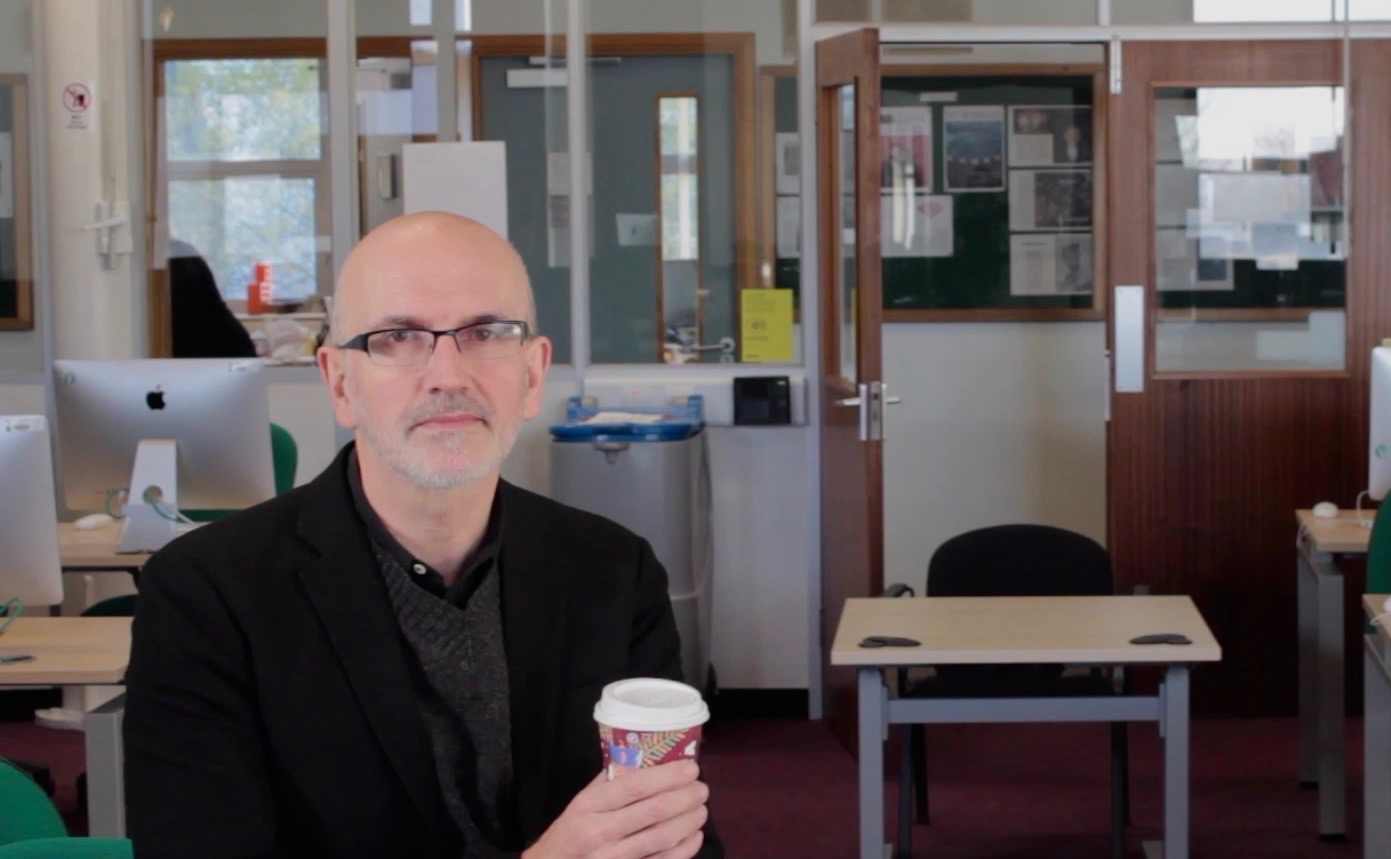
Brexit: EU students’ status fee should be clarified for 2019, as Mr McClellan said from University of Westminster

London (Rosita Pirulli) – Jim McClellan, course leader of BA Journalism degree at  University of Westminster, said they are hoping ‘that the Government clarifies what the fee situation will be for EU students’.  

Brexit keeps affecting the education environment, by undermining uncertainty among foreign students who would like to study in London.

The ‘global city’, as Mr McClellan called it, even though is still attracting people thanks to its wide range of universities and working experiences, has changed the atmosphere for some of them since Brexit happened.

The referendum has, in fact, left some students worried until now. The forecasts for 2019, when the UK will definitely leave the EU in March, are still undefined, whereas a small inflation has already affected their fees.

From £9000,00 to £9250,00 per year, was the increase perceived within less than a year since Brexit, an amount that the Government assured will be capped for the 2018 entry cycle.

‘That is an increase based on inflation, so it is a small increase’ said Mr McClellan on LondonOne radio in occasion of Brexit Special show.

Nevertheless it hits home/EU pupils’ pockets as well as London’s universities that could get a loss of applications from Europeans in the future.

University of Westminster is included in that list, an environment valued as an interacting place that attracts talents from around the world.

Ranked as one of the pioneering universities in media and communication, it always distinguished itself by being the first Polytechnic born in the UK in 1838 and well known in all Europe for its first photographic portrait studio opened in 1841.

Since it also engaged people currently famous, such as Nick Mason and Roger Waters, the Pink Floyd’s founders, its image rose up that now is divided in 4 campuses: Regent, Marylebone, Cavendish and Harrow, where Jim McCclluen gives his lectures at Journalism course.

By speaking on London One Radio, Mr McCcullen explained that Westminster University still remains opened to both EU and International students, but he recognises the worries shown by Europeans as well as by the University itself.

So the real matter, according to Mr McClellan is not just about the inflation seen this year, but is regarded to:

‘Whether EU students will be seen as the same as overseas students, so students from outside the EU or whether there will be a new rate for EU students’ – he said.

The fees reckoned for internationals in London are variable depending on the courses and universities they choose. For example, a standard degree course, at the moment, got a range between £11,500 and £ 15,340 or they can also reach a target of £35,000, if they study medicine.

Will Europeans be seen as overseas students once the UK will be out of the EU?

The Government should clarified this position, the lecturer said, because if that happens and ‘the fees go up, then maybe they won’t be able to make that journey and that will be so sad for them and also for us’.

Europeans have always been a good opportunity to get more and new ideas that helped this University to enlarge their capabilities and faculties’ offers, if that happens ‘will affect if they people want to come’.

While their questions have no answers at the moment, University of Westminster keeps its welcoming status as its core value, hoping that from 2019 onwards the future EU students will get the chance to study in London easily, as many others are currently doing.