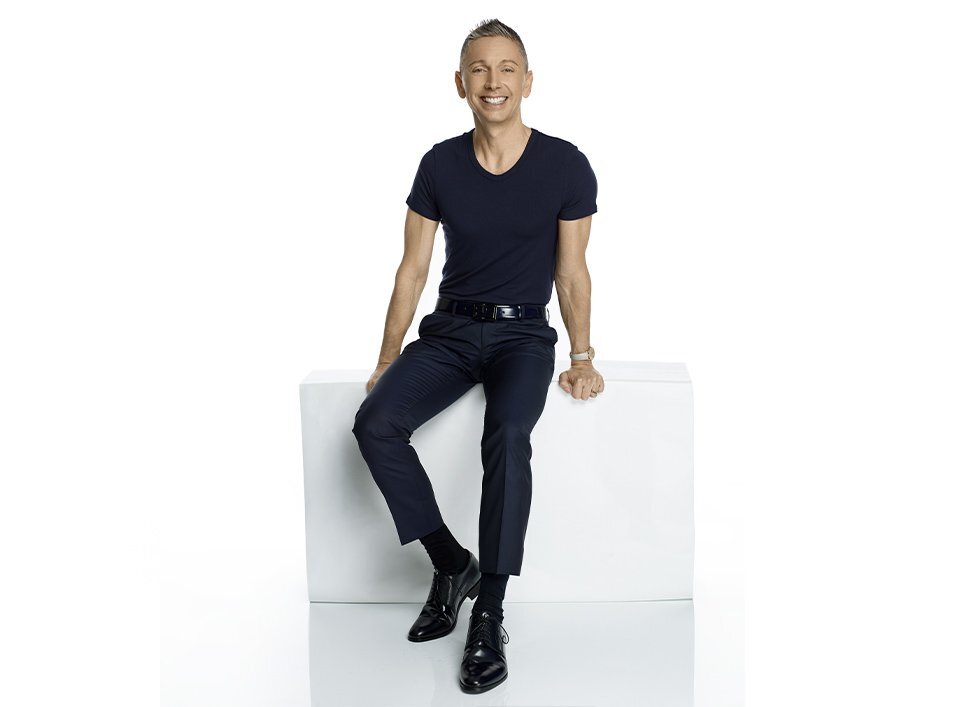
GIANLUCA MECH – The guru of personal wellness

(by Stefania Del Monte)

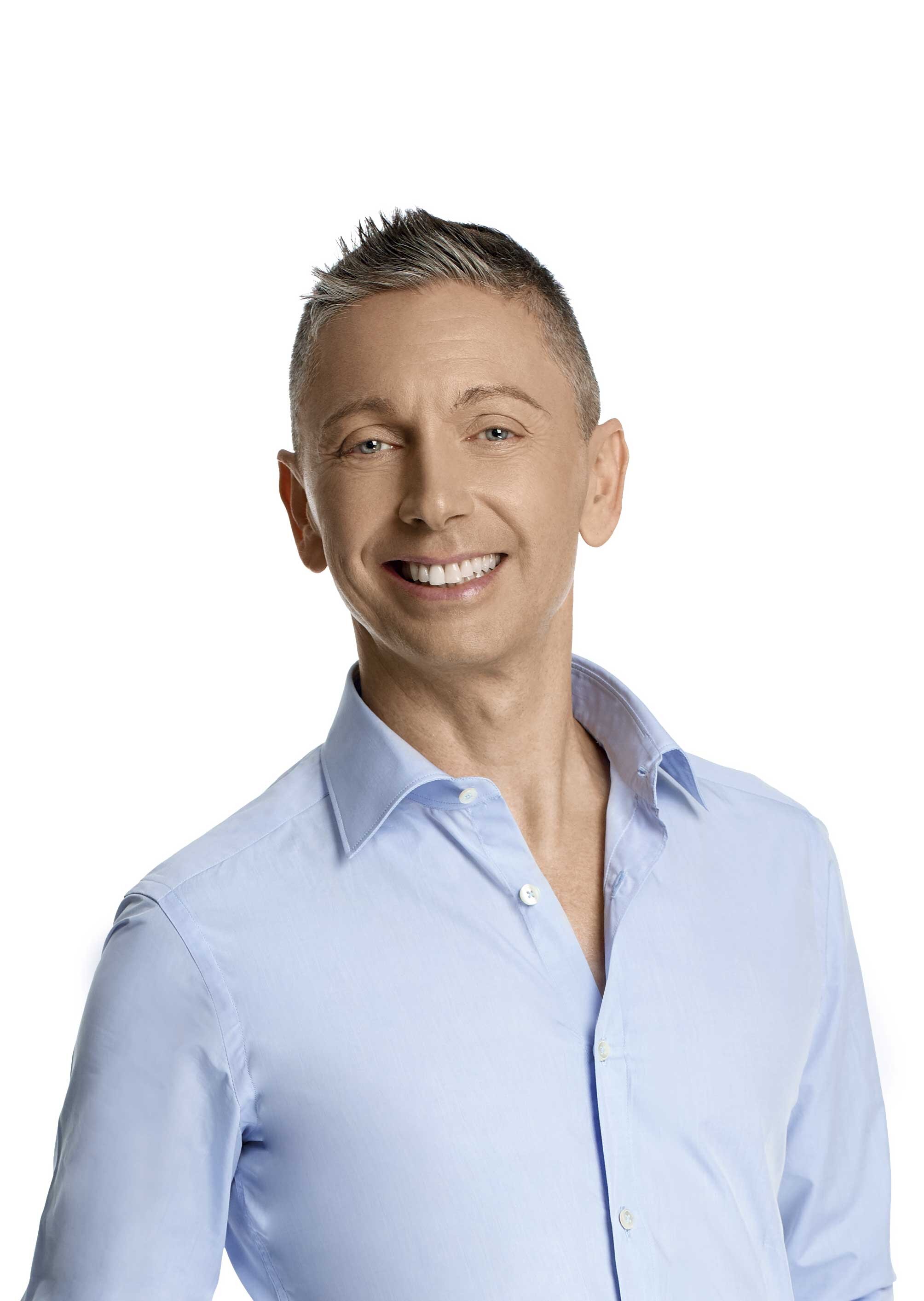
Gianluca Mech is the only heir to an ancient tradition that has seen his family at the centre of the arts and secrets of herbal medicine in Italy for centuries. In 1987, as soon as he was of age, he took over the reins of the company: thanks to the teachings of his father Giovanni and his grandmother Adelaide, and thanks to the experience gained in the field of food and herbal medicine, he managed to give new strength and impetus to the company, even beyond national borders.

We met him to find out more about his story.
Gianluca, what is Phytotherapy?

The term “Phytotherapy” derives from the Greek “Phytòn”, which means “plant”, but at the same time also “creature”. This twofold meaning encompasses the essence of phytotherapy: plant and man. In a general sense, it is the practice that involves the use of plants or plant extracts for the care and maintenance of mental and physical wellbeing.

Your company has been operating since 1911 and you have been part of it for over thirty years. What exactly do you do?

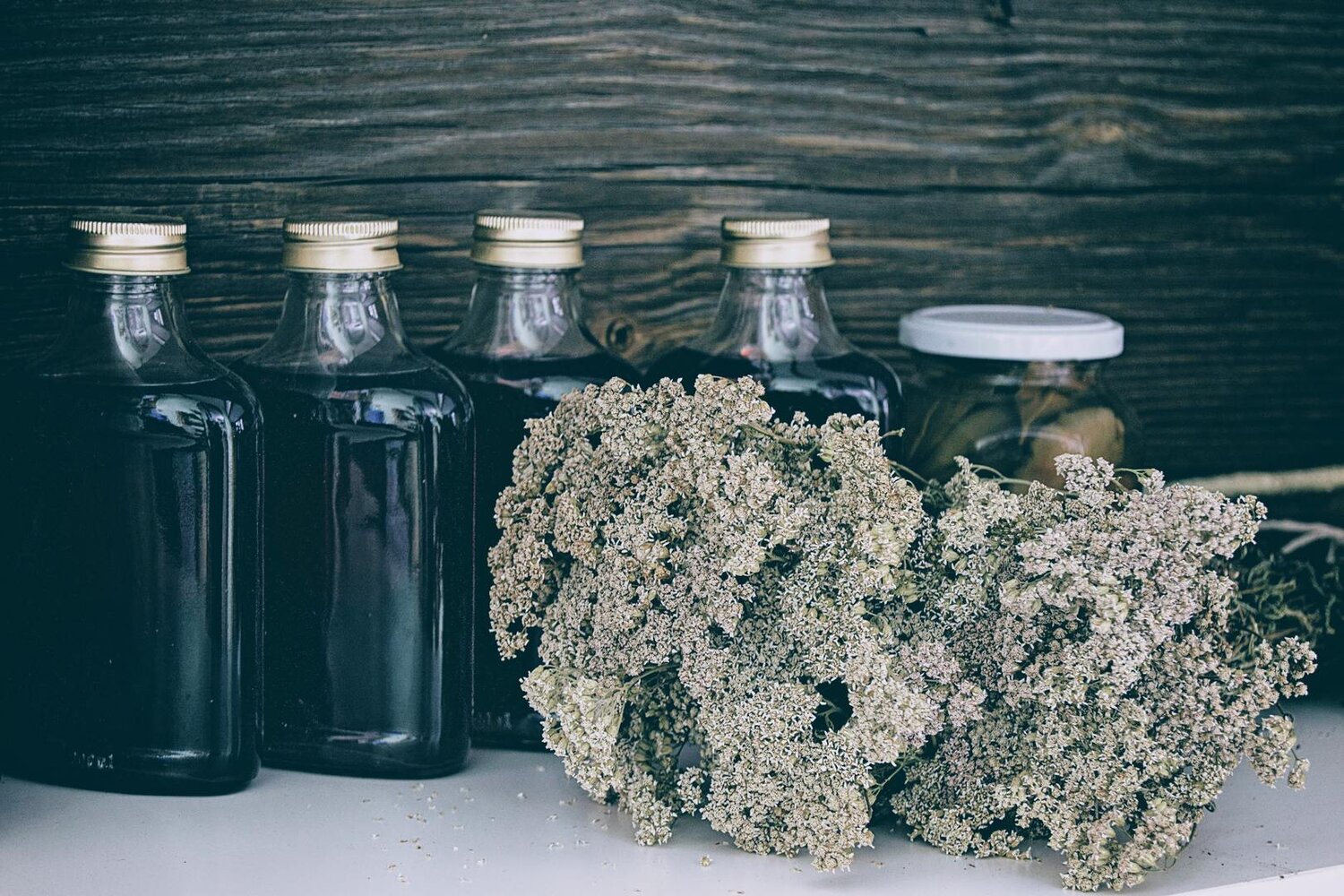
It is a herbal company, whose strength is precisely that of using the properties of plants in our proposed weight loss programs. In particular, we are producers and distributors of products obtained from Decottopia, or the therapy of the “ten plants”. It is an ancient process of officinal herbs processing, handed down over the centuries from father to son, up to me, the current custodian of the industrial secrets that are the heart of the company activities: extracts that base their uniqueness and exclusivity thanks to their absence of alcohol, sugars, preservatives and gluten. From the experience gained in the Decottopia, specific dietary foods were then developed which constitute the innovative “Global Tisanoreica diet program”, developed and tested in collaboration with the Mech Lab of the University of Padua.

Can you tell us more about both Decottopia and Tisanoreica?

Of course! My family has a 500-year-long tradition of observing, experimenting and using the properties of plants. Our green ketosis has allowed us to enhance, through the detoxifying properties of plants, the slimming effects of the diet proposed by us, reducing side effects to zero. From the decottopia, according to the method already explained above, decottopyrics are obtained: food supplements proposed to improve the nutritional status, optimizing the general well-being condition and promoting, at the same time, the normal physiological functions of the body. These can be combined with the diet but also taken outside of a real diet program. You can also drink pure or diluted with water.

The products of Decottopia are fundamental throughout the whole journey of the Tisanoreica diet protocol. Our body, in fact, in addition to needing to lose weight, needs to cleanse itself every day to keep fit and above all to give us that feeling of wellbeing that we seek so much. Associating Decottopia with the Tisanoreica diet phases means choosing extraordinarily pure and totally natural products not only in the formulation, but also in the processing and conservation processes.

The absence of preservatives, alcohol, sugars and gluten also makes Decottopia ideal for different categories of people such as diabetics, children over 5 years, celiacs, the elderly and vegans.
We recently saw you on television with Ricette all’italiana (Rete4) and L’ingrediente perfetto (LA7). What did you draw from those experiences?

These are experiences that have allowed me to get to know and collaborate with great personalities from the world of entertainment such as Davide Mengacci, Anna Moroni and Roberta Capua, who have also proved to be generous and helpful people. Thanks to these two programs, moreover, I had the pleasure of sharing the set with producer Elio Bonsignore, a professional who always favours quality. On the basis of all this, it is easy to guess that both broadcasts have helped to consolidate my television path too.

Would you like to repeat them?

Obviously yes, since both experiences are part of my present. For example, with the perfect ingredient, together with the excellent Roberta Capua, I will return to La7 at the end of March. Recently, with Roberta, we also shared a beautiful event at Casa Sanremo, during the Sanremo Festival, focused on the importance of plants for the voice, which was also attended by conductor Claudio Guerrini and specialist in Otolaryngology and Audiology Marco De Vincentiis, and it was a great success. Now, however, I can’t wait to embrace her again on the set to enter, once again, into the homes of many viewers who continue to follow us with affection and interest.

Your company profile describes you as the ‘personal wellner of the stars’. We could therefore define you as a kind of wellness guru. What exactly is the role of a “personal wellner“?

My mission has always been to help others stay healthy, directing them towards a healthier lifestyle, which allows them to achieve a good quality of life. This healthy lifestyle is even more sought after among celebrities and the show business. The variety of our natural and scientifically tested products, combined with personalized suggestions, allows people to better face and manage the difficulties and stress during the change process, aimed at achieving psychophysical wellbeing.

Being a specialized nutritionist, what do you recommend to people who want to get in shape in time for the summer?

It’s simple: take care of yourself through good purification, take care of the quantity and quality of the food that you introduce into your body and, if necessary, follow a dietary path by being directed by specialized personnel. For example, our experts can help to achieve the established results, not only quickly but also in perfect health.

In the cover: Gianluca Mech
images courtesy of the interviewee
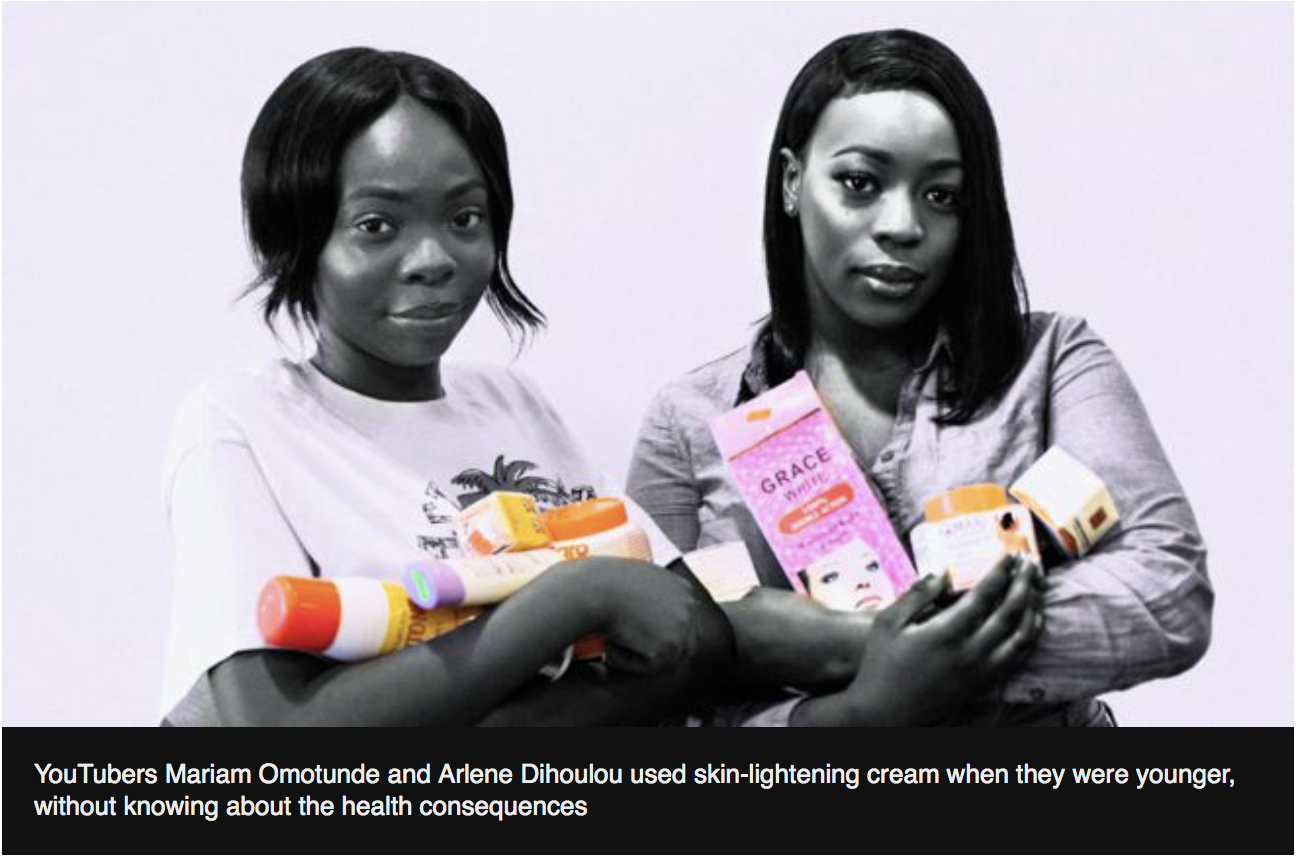


Skin-whitening creams are still hurting people, someone keep on selling them

London (Giulia Faloia) – Self acceptance is very hard to achieve and its lack can bring to devastating consequences especially if it involves the use of illegal substances.

That’s exactly what happened to women who used skin-whitening creams. This kind of products  were banned from being sold over-the-counter in the UK since they contain hydroquinone and mercury that can cause liver, nerve and foetal damage.

However some business owners haven’t respected the ban and they have kept on selling the forbidden creams.

Some journalists visited 17 shop in London, Leeds, Birmingham and Manchester to see how many merchants are still selling the banned products.

Even if 6 of these shops had already been prosecuted for this reason, the under cover reporters found out that 13 shop keepers are still braking the rules and selling the creams.

The forbidden product was manufactured in Nigeria and it is called Funbeaut-A. It contained 3% hydroquinone, which is more than the strongest medicine containing hydroquinone licensed for prescription by UK doctors.

bbc.co.uk

The clearest consequences of the skin-whitening creams are blisters and scars on the whole parts of the body on which people rub it. But unfortunately this isn’t the worst aspect.

In fact some victims of the creams developed a kind of addiction to them. Stop rubbing it on their skin was as hard as stop taking drugs. 

Furthermore what makes the problem even bigger is that anyone could buy these products. Even a little girl could come in a shop and take it, without any kind of restriction.

Anyway Trading Standards officer Cenred Elworthy said that some shop keepers stopped selling the products after being prosecuted. He added that “secondary offenders are often not selling things that are blatantly, obviously full of illegal products”.

On the other hand Elworthy also said that “no-one has actually served jail time for selling them” despite being caught still selling the illegal products while serving a suspended sentence. 

For this purpose he suggested the application of “on-the-spot fines” for businesses selling the skin-whitening products, and clearer sentencing guidelines.

The problem is real and stricter rules are necessary. This is the only way nobody else gets hurt.

“It’s personal, hidden and quick”: the experience of self-injury in LGBT people

by Mirianna la Grasta

Forget the simplistic expression “cutting”, which now stands for all self-harm. Because self-injury (SI) is a lot more than that.

It’s winter and it’s freezing cold. The rain is falling heavily but Malin keeps running in it, careless. She runs and runs, wet and cold from head to foot, until she stops and thinks: “I’ve punished me enough.”

SI is a set of unhealthy actions you do to deliberately hurt yourself. It can include damaging your skin, embedding objects in your body, pulling your hair, head-banging, bulimia, drug abuse, binging, over exercising, drinking and attempting suicide.
“It’s doing things that make you feel awful,” says Malin Therese Mathisen, a 27-year-old Swedish student. “You have a voice in your head trying to convince you that you need to do that.”

No matter the method, self-harm is becoming very popular. It is more common in young adults and in people who identify as LGBT. The Mental Health Foundation estimates that the UK has the highest self-injury rate of any country in the EU, with 400 in 100,000 people self-harming. In the case of LGBT identities, the LGBT Foundation suggests that they are twice as likely as heterosexual people to have suicidal thoughts or attempt suicide, and three times more likely to suffer from depression.

Saya Karavadra – trainee counselling psychologist at City, University of London – explains that today, despite a certain open-mindedness in understanding homosexuality and bisexuality, the sexual orientation of these people is still “widely stigmatised” by society. And this “social pressure”, as she describes it, may cause self-injurious acts, consciously or not, in a subject who identifies as LGBT.

Self-injury comes after an accumulation of bad feelings, such as anger, depression, anxiety and fear. General psychotherapist Phil De Soissons uses the word “turmoil” to describe this state of emotional overwhelming. “Self-harm is a coping mechanism, that is to say a way people react to their turmoil,” he explains.

“It’s personal, hidden and quick.” Zack Xenon, member of the LGBT+ community, thinks of his experience with self-harm as an “internal way” of dealing with sadness, anger and rage: “I find it very difficult to verbalise my negative emotions, so I use self harm as a means of expressing them.”

The alarming aspect of SI is that people who experience it would not immediately realise how dangerous it can be for both their mental and physical health. “People end up inflicting to themselves the pain they would like to inflict to other people, treating the injury as something external to their body,” Ms Karavadra argues.

Even though it helps people to cope with a distress, self-injury has an addictive nature. The calming effect that follows the harm is just temporary and, eventually, the person will face his repressed feelings again. This is why Zack Xenon describes it as a “destructive and sometimes life-threatening method”.

Toby Daniell, a bisexual Psychology student who started self-harming at the age of 11, compares self-injury to smoking addiction. “If you try to prevent a smoker from smoking cigarettes,” he says, “that person will not stop.” Instead, he will “desperately” start looking for other ways to satisfy his desire, and will ultimately find one. “Self-harm was my addiction,” says Toby, “and when I finished I sat there, proud of having found another way to hurt myself.”

“You can’t simply tell people to stop, it will not work,” he concludes.

As Phil De Soissons explains, when helping a person that has self-harmed it is important not to concentrate on the action itself, but to normalise it. “As a therapist,” he says, “I tend to look at the essence of a person, and to identify with him in order to understand what his feelings are.” Psychotherapists, in fact, are less diagnostic and empirical than GPs: by cooperating with their patient they teach him to find healthy coping mechanisms.

Ms Karavadra as well thinks that it is vital to identify with a patient experiencing self-harm. She says that through clinical work therapists, psychologists and counsellors introduce the patient to the “ability of staying present”. This means trying to face their negative emotions, and delay for some minutes the urge to self-harm. “We don’t ask them to stop,” she explains, “but to delay their need, as we know that in 10 minutes the urge they felt before will diminish.” Ms Karavadra adds that, over time, therapy helps people to explore what triggers their urge to self-harm, “and once they know where it comes from, they are in a better position to face the feeling.”

It is important not to force someone into counselling or therapy. It should be up to the person to seek advice and to share their story with someone. The best way to do that is addressing people you trust, counsellors within the education system or social and healthcare communities such as Pink Therapy, Samaritans, Harmless and Elefriends.

“If you realise a friend of yours does self-injury please take action,” says Toby Daniell. Toby, in fact, after dealing with his own problem had to help one of his loved ones, “and for someone who has self-harmed, it’s extremely horrible to see other people going through that.”

“Don’t pity people, don’t freak out like their parents would do. Just stay calm, normalise it and help them find a different way to cope with negative feelings.”

image credit: http://mountpleasantcounsellingcentre.com.au/self-harm/

Italian Food enraptures the UK: Interview with Jeremy Hunt, Secretary of State for Health

Interview by Valentina Celi, Article by Ilaria Edja Gallo  

Interview with Jeremy Hunt, Secretary of State for Health.

Last night, Wednesday 28th September, from 6pm to midnight at Le Meridien Piccadilly, we celebrated Italian food, drink and culture. The event has been organised by CLWCA conservative Italian Group 2016 in collaboration with APCI UK, the Association of Italian Professional Chefs in the UK.

Many prominent political guests, such as Jeremy Hunt MP, Secretary of State for Health, Mark Field MP, Vice Chairman of the Conservative Party, Alberto Costa MP, South Leicestershire, Zac Goldsmith MP for Richmond Park & North Kingston and Dr Tania Mathias MP for Twickenham attended this amazing and successful event together with 450 guests.

Zac Goldsmith, LondonONEradio Staff. Photo by Leslie Weir, LondonONERadio- BenTV
Jeremy Hunt, LondonONEradio Staff. Photo by Leslie Weir, LondonONERadio- BenTV

The celebration has been accompanied by the amazing entertainment given by the acclaimed Italian tenor Yuri Sabatini and Giuseppe Mauriello, Laura Araldo, the guitarist Domenico Ranieri and The Tony P Riccio Trio.

LondonONEradio managed to question Jeremy Hunt, Secretary of State for Health about the importance of the mediterranean diet:

Do you think it is important to support the mediterranean diet and to promote it in the UK?

Absolutely, because we now have a huge amount of evidence that mediterranean diet is less salt, less red meat, more fish, olive oil instead of butter and this reduces cholesterol and therefore it reduces the risk of heart disease, cancer, even things like Alzheimer and dementia. So it’s the best way of eating healthily and it’s also delicious. So most of this diet you go on, you have to deny yourself the best things, but actually the mediterranean diet is healthy and delicious so we would love more people to be on the mediterranean diet.

What is your plan of action about obesity? We know that in the past few years Uk developed and faced severe problems linked to obesity.

Well, we have the second largest problem with obesity in the whole of Europe, and we are very worried particularly for children who spend a lot of time behind computers, not as much time as they used to out and about playing. So we have a big plan to change it: we want to get children more active, we want to encourage manufacturers to reduce the sugar content in their food as there’s a lot of sugar in things like frozen pizzas, and actually you can reduce the sugar and not affect the taste. So we want to encourage people, encourage the manufacturers to do that, but we also need to promote understanding among consumers about an healthy diet and certainly mediterranean diet is a big part of that.

So is it possible to say that embracing the mediterranean diet would be the “best thing” for the UK population?

I think that we have to be careful because in this country people don’t like politicians telling them what to eat, so probably if you want to promote a mediterranean diet it’s not helpful to have Jeremy Hunt telling everyone to eat it. But I think you do the best job marketing it yourself. I mean the quality of Italian food that you can get in the UK, now, is transformed compared to 20 or 30 years ago. But I think, what I can do is to encourage everyone to recognize that olive oil is more healthy than butter, that fish is more healthy than red meat, and Italian food is a great way to enjoy those things.

Jeremy Hunt, LondonONEradio Staff. Photo by Leslie Weir, LondonONERadio- BenTV

Last but not least: which is your favourite Italian dish?

My favourite Italian dish? I have absolutely no hesitation in telling you the answer to that. I have a small holiday house in Sicily and the “Antipasti” from Sicily, they are my favourite. I am sorry if you’re from the north of Italy, but they are much nicer than “antipasti” from the North. And my daughter favourite dish,
without doubt, is Gelato, but for me it’s the “antipasti”.

The event had both an educational and charitable aim: in fact, the 20% of profits from the tickets sale will be used to help the people struck by the earthquake in Italy.

The sponsor for this event

BMA calls off junior doctors’ strike planned for next week

The BMA (British Medical Association) called off the strike that was supposed to take place next week due to several concerns expressed by patients and hospital managers regarding patients’ care. Still, the association made it clear that junior doctors won’t step back unless the government changes the agreement.

If we step back in time, we can understand where this debate between junior doctors and the government, embodied in this case by Jeremy Hunt, Secretary of State for Health, comes from. Everything started in 2012, when the government announced the introduction of a new contract for doctors, in which terms and conditions agreed in the 1990s were being modified. Formal talks went on for many years, until the decision was taken this year, in February: the government announced that new contracts were going to be introduced starting this summer; some of the changes include more hours of work and, apparently, a discrimination against women. Strikes have been taking places since the beginning of the year: 58% of junior doctors do not accept this contract and planned more strikes for the end of the year.

theguardian.com
theguardian.com

Next week’s strike was called off by the BMA because there were many complaints made by medical leaders and hospital managers regarding the short notice with which said strike was announced. In the words of Dr Ellen McCourt, junior doctors’ leader: “While the BMA provided more than the required notice, we have taken this decision to ensure the NHS has the necessary time to prepare and to put in place contingency plans to protect patient safety“, she said. “Future action is still avoidable. The BMA has repeatedly said it will call off further action if the government puts a halt to plans to force junior doctors to work under a contract they have rejected because they don’t believe it is good for the future of patient care or the profession.

The strike which had been arranged for next week was going to be the first of five, which will go on until the end of the year: the next ones will happen from Wednesday October 5th to Tuesday October 11th, from Monday November 14th to Friday November 18th and from Monday December 5th to Friday December 9th.

Two million people in London at risk of food poisoning from pink burgers

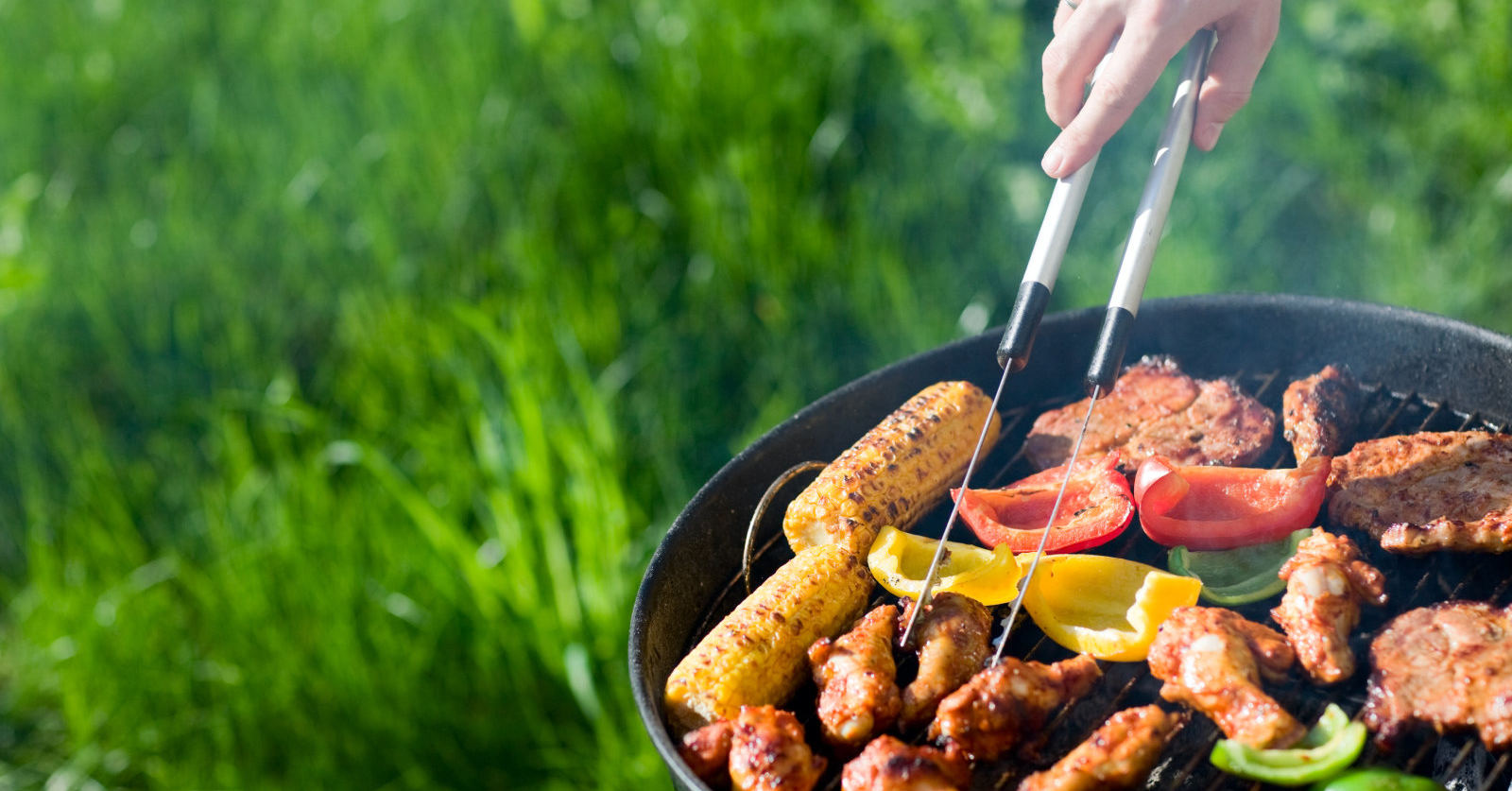
LONDON – According to research released a few days ago by the Food Standards Agency (FSA), almost two million people in London are at risk of food poisoning from pink burgers at Bank Holiday Barbecues. The FSA is encouraging all those who are getting their BBQs this weekend to fully cook their burgers: this warning has been made because the research has shown that despite 71% stating they are concerned about food poisoning, nearly half of them would still eat a burger that is not fully cooked; moreover, 54% of them admitted that they even undercook burgers at home.

In order to help BBQs lovers enjoy their burgers safely, the FSA has teamed up with Phil Vickery, British rugby legend and Masterchef winner, who will give his contribution in raising awareness about best burger practice. He stressed that it is very important that people don’t try to cook burgers that are rare or medium at home: “Some restaurants can serve them this way because they have strict controls in place, covering how burgers are prepared and cooked, but cooking burgers that are rare or pink at home could really ruin your weekend.” In addition to these useful piece of advice, he shared his personal favourite way of cooking burgers: he likes his burger properly cooked through with a top of Romaine Hearts lettuce, tomato and English cheddar cheese.

bassetlaw.gov.uk
bassetlaw.gov.uk

What makes Steve Wearne, the Director of Policy at the FSA, worried is the general ignorance about the presence of bacteria in burgers. He said: “Burgers are not like steak. Harmful bacteria can be carried on the surface of cuts of meat. When a rare steak is seared these bacteria are killed, but burger meat is minced so bacteria from the surface of the raw meat gets mixed all the way through the burger. These bacteria can remain alive on the inside, unless the burger is fully cooked through, no matter how good quality and expensive the meat.” Moreover, many people – over a third of all people in London – incorrectly believe that eating a rare burger is the same as a rare steak when it comes to food poisoning risk and even those who wouldn’t usually choose a rare burger could get ill this weekend, since they said they would eat one if it was given to them.

What both Wearne and Vickery advise is for everyone to be cautious: cook your burgers through and fully enjoy your weekend, without having to worry about the consequences of an unhealthy BBQ next week.

The different between Psychiatrist, Psychologist, Psychotherapist

The UK Mental Health system is complex and slightly different form the Italian.  One of the most common questions is about the role of different figures as Psychiatrist, Psychologist, Psychotherapist…

The aim of this article is to pointing out the differences between them, in terms of roles and competences;

The Psychologist in the Italian system can become a Psychotherapist after a four-year training in specialized centres. During this four-year training, the psychotherapist is taught to treat mental health disorders using specific techniques; he or she also gains experience through practicing psychotherapy (under professional supervision) and undergoes personal psychotherapy as well. In the U.K., psychotherapists are accredited by the British Association of Psychotherapists or the United Kingdom Council for Psychotherapy. Be a psychologist in UK in not an essential requirement to become a Psychotherapist, many psychotherapists in UK hardly bare an accreditation in psychology. The two works are not considered one consequential to the other as in Italy and they are regulated by different institutional bodies.

The main psychotherapeutic approaches are: psychodynamic, psychoanalytic, cognitive-behavioural and systemic-relational. We will describe these different treatments in the next article, so don’t miss it or visit now www.psicologialondra.com.


FUELLING DIABETES AND OBESITY EPIDEMIC

TOXIC MIX OF FAST-FOOD OUTLETS IN INNER CITY NEIGHBOURHOODS FUELLING DIABETES AND OBESITY EPIDEMIC

New study led by University of Leicester reveals that there is TWICE the number of fast-food outlets in inner city neighbourhoods with high density non-white ethnic minority groups and in socially deprived areas

“The results are quite alarming and have major implications for public health interventions to limit the number of fast food outlets in more deprived areas.”- Professor Kamlesh Khunti, University of Leicester

An image of Professor Kamlesh Khunti is available to download at: https://www.dropbox.com/sh/xlrc7463jh3q4pn/AADilWIbWzrOVzy_02EjKKb5a?dl=0

How close you are to fast-food outlets may be linked to your risk of Type-2 diabetes and obesity a new study led by the University of Leicester has discovered.

The research found that there was a higher number of fast-food outlets within 500 metres of inner-city neighbourhoods described as non-white as well as in socially deprived areas.

The researchers warn that their findings, based on a study of over 10,000 people, have important implications for diabetes prevention and for those granting planning permission for fast-food outlets.

“Our study suggests that for every additional two outlets per neighbourhood, we would expect one additional diabetes case, assuming a casual relationship between the fast-food outlet and diabetes,” the study authors write in the study published in Public Health Nutrition.

The research was carried out by a team from the University of Leicester’s Diabetes Research Centre, Department of Health Sciences and Department of Geography in collaboration with the Leicester Diabetes Centre based at Leicester General Hospital. The Leicester Diabetes Centre is an alliance between the University Hospitals of Leicester NHS Trust (Leicester’s Hospitals), the University of Leicester, the local community and Primary Care.

Professor Melanie Davies and Professor Kamlesh Khunti, Co-Directors of the Department have been conducting one of the largest screening studies with south Asian patients. The data from this study has also helped with recommendations for the NHS Health Checks Programme.

Professor Kamlesh Khunti, Professor of Primary Care Diabetes & Vascular Medicine at the University of Leicester, said: “In a multi-ethnic region of the UK, individuals had on average two fast-food outlets within 500m of their home.

“This number differed substantially by key demographics, including ethnicity; people of non-white ethnicity had more than twice the number of fast-food outlets in their neighbourhood compared with White Europeans. We found that the number of fast-food outlets in a person’s neighbourhood was associated with an increased risk of screen-detected type 2 diabetes and obesity.

“We found a much higher number of fast food outlets in more deprived areas where a higher number of black and minority ethnic populations resided. This in turn was associated with higher prevalence of obesity and diabetes. The results are quite alarming and have major implications for public health interventions to limit the number of fast food outlets in more deprived areas.”

Dr Patrice Carter, the lead author with Dr Danielle Bodicoat stated “This work has several notable strengths; namely, it is the first study, to our knowledge, to look at the association between the number of neighbourhood fast-food outlets and type 2 diabetes in a multi-ethnic population. Although it is not possible to infer causal effect, our study found that plausible causal mechanisms exist.

“The observed association between the number of fast-food outlets with obesity and type 2 diabetes does not come as a surprise; fast-food is high in total fat, trans-fatty acids and sodium, portion sizes have increased two to fivefold over the last 50 years and a single fast-food meal provides approximately 5860 kJ (1400 kcal). Furthermore, fast-food outlets often provide sugar-rich drinks.”

The study team add: “Our research is cross sectional by design, so results should be interpreted with caution and further research is required.”

The research was supported by the National Institute for Health Research Collaboration for Leadership in Applied Health Research and Care East Midlands (NIHR CLAHRC EM), the Leicester Clinical Trials Unit and the NIHR Leicester–Loughborough Diet, Lifestyle and Physical Activity Biomedical Research Unit, which is a partnership between University Hospitals of Leicester NHS Trust, Loughborough University and the University of Leicester.

********************


casein increase the risk of cancer?

London – What is really clear is that a liter of milk has a lot of healthy elements, it contains proteins, calcium, sugars, mineral salts and good fats. It’s necessary to maintenance of teeth and bones. But could the casein’s consumption have negative effects for the man?

The casein positive qualities and elements are definite from long time, what we don’t know exactly is if there are some elements which could have negative effects for the human life. In particular, some academics are studying and linking the casein with the cancer.

Effectively there are a lot of scholars, milk’s enemies, who think the milk, and the casein as well, could increase the appearance of cancer. Some scientists studied that the number of cases’ cancer is high in the countries where the casein’s consumption is the main component of the diet. And the reason is simple, in the casein there are so many growth hormones which develop the cancer. If you eat fat food and you consume so much casein, eating a lot of food containing milk or cheese, your apparatus cedes and this cause the emergence of diseases’ degenerative, as the cancer.
Some academics think that this negative effect could derive not just from casein use, but if you eat a lot of meats or eggs, as well. So if you follow a an high protein diet the risk to have a cancer will rise for you. If you want to be in heatless you shouldn’t eat so much meat, and so many eggs, and so much meat as well. But today there are a lot different researches and studies about a lot of new negative effects causing by the food, so the question is, what can we eat in safety and without the preoccupation to eat not good and healtly food.


photo www.livestrong.com

All you need to know about the Ebola virus

Where does Ebola come from?

The first known incidents of the Ebola virus were in 1976. There were two simultaneous outbreaks in Nzara in Sudan and Yambuku in Zaire (now the Democratic Republic of Congo). The name of the Ebola river near Yambuku was given to the new epidemic.

Outbreaks have mainly occured in remote villages in Central and West Africa, close to tropical rainforests.

The current outbreak, which began in March 2014, is the largest in history. More than 3,000 people have died in West Africa,

Over 2,000 in Liberia more than 700 in Guinea, and as many as 620 in Sierra Leone.

A small number of cases have appeared in Nigeria with one in Senegal and one in the US.

A nurse in Madrid Spain is the first reported incident in Europe.

Ebola is described by the World Health organisation (WHO) as “one of the most virulent viral diseases known to humankind.”

There are five distinct species of Ebola and the survival rate ranges from 25 to 90%.

There is no licensed vaccine for Ebola although several are currently being fast tracked

How is the Ebola virus transmitted?

  • Ebola is passed to humans through close contact with the blood or bodily fluids of infected animals. Fruit bats, monkeys and chimpanzees can all carry the virus.
  • Ebola then spreads through human-to-human transmission, again from contact with blood or bodily fluids.
  • Burial ceremonies where mourners touch the body of the dead person can also spread the disease.
  • The incubation period (the time from infection to the onset of symptoms) is between two to 21 days.
  • People remain infectious as long as their blood and secretions contain the virus.

What are the symptoms?

Initial symptoms include the sudden onset of a high fever, muscle pain, general weakness, headache and sore throat.

Further symptoms include vomiting, diarrhoea, rashes, damage to the kidney and liver function.

In some cases symptoms can include both internal and external bleeding.

There is no known cure or vaccine for Ebola.

How can the virus be prevented?

  • Routinely cleaning and disinfecting farms to inactivate the virus.
  • Animals should be handled with gloves and protective clothing. Meat should be thoroughly cooked before eating.
  • If an outbreak is suspected in animals, the premises should be quarantined and infected animals culled.
  • Avoiding physical contact with people infected with Ebola and protective clothing must be worn.
  • Washing hands after visiting patients in hospital, or after taking care of those infected at home.
  • Inform the authorities when a community is affected so containment measures can be taken.
  • Ebola victims should be buried quickly and safely, with no direct contact with the corpse.


What is being done to treat it?

Several vaccines are being tested, but none have been approved for clinical use.

One of the untested drugs, Zmapp, has been used on two American missionaries who are said to be improving. It was also given to a Spanish priest who later died. Its effectiveness is unknown but the WHO has ruled its use ethical in the circumstances.

Severely ill patients require intensive supportive care. Patients are frequently dehydrated and require oral rehydration with solutions containing electrolytes or intravenous fluids.

Stocks of Zmapp, which was developed by an American pharmaceutical company, have been sent to West Africa. The company says it has given the treatment free of charge.

Canada has also sent around 1000 doses of an experimental drug developed by government laboratories. It has previously shown promising results in animals but has never been tested on humans.


euronews.com