PAOLO ROSSI – How long it lasts a moment

by Stefania Del Monte

He was an idol and was disqualified. He returned and became the Pablito of the Spanish Mundial in 1982. This is, in short, the story of Paolo Rossi who, from 1980 to 1982, from the punishment for football betting to the victory over Germany, lived the two hardest and most exciting years of his life. A fairy tale with a happy ending, imbued with striking successes alternating with lacerating pains, with strong surges and ruinous falls, with dreams come true and deep wounds, with precious awards and injustice. It is the black and white of an exceptional existence, the perfect script of a film that has enchanted generations and continues to be reviewed and relived by the public.

Written in collaboration with the journalist Federica Cappelletti, the book Quanto dura un attimo (How long it lasts a moment) is the autobiography of a boy who has defied fate to become a legend, realising his dream as a child and writing immortal pages of the history of universal football. Of this, and many other things, we speak directly with the protagonist of this extraordinary life: Pablito!

“How long it lasts a moment”: a book written in collaboration with your wife, Federica Cappelletti. How was the idea born?

The idea was born over a coffee. It was a grey morning, it was raining, and the sound of the falling rain reminded me of the cleats that beat on the floor in the tunnel that separated the changing rooms from the Bernabeu Stadium in Madrid. It was the 1982 Spain final: Italy-Germany. I still have chills on my skin. My wife asked me to go ahead with the story and then tell it to the world, in a book, so that it could become everyone’s heritage.

What inspired the title?

The moment has always been my characteristic. For me, it meant anticipating the opponent. Get there first. Score. But the moment is also the happiness I felt in those eternal moments of the World Cup in Spain.

Have you always wanted to be a footballer or did you have other dreams as a child?

My dream was to become a footballer. I had an idol. His name is Kurt Hamrin. He had my characteristics; he was an opportunist on the field. I liked him. But I also thought about being a doctor. Rather, my mom wanted me to be an accountant.

Before turning into legend, your career had undergone several jolts, causing strong reactions from the press of the time to the news of your call to the World Cup in Spain. How did you experience that period before arriving in Iberian land?

I suffered a great injustice in my life. I was disqualified (despite being innocent) for two years for not reporting a teammate and two fixers who wanted to combine a game. The Perugia-Avellino in which I scored two goals: but only because it was what I knew how to do. They paid me to score goals. I scored many. So the call to the World Cup in Spain was meditated by Enzo Bearzot and in the end apt. I repaid the coach for his boundless trust and I’m proud of it.

And what, on the other hand, is the most beautiful memory you have of that extraordinary adventure that was the 1982 world championship?

The team. The coach. The sense of family. Home. The affection I felt by everyone. And then, the three goals in the match against Brazil. I became a legend thanks to them, but they also gave me the strength to start again. And I became the top scorer, world champion, golden shoe and golden ball.

Among others the book is dedicated to Enzo Bearzot. How important was his figure to you?

I owe a lot to Enzo Bearzot, I owe him my rebirth. He knew what I was made of and challenged everyone by proving he was right. He is in my heart, where he will remain forever.

The victory in Spain helped to bring colour back to an Italy that tried at all costs to leave the darkness of the Seventies behind. How did the Italians welcome you on their return?

The return to Italy was a tricolour feast. Italy, with that World Cup, has found confidence, raised its head, the Italians have returned to smiling. Sociologically it was an important victory: one of the most important in history.

Among the legendary companions with whom you had the privilege of playing, was there one to whom you were most attached?

I have been and I am deeply attached to everyone. But Antonio Cabrini and Marco Tardelli remain the closest. Also today.

And the most feared opponent?

Brazil, without a doubt. But only before the final, at least for me!

Your best goal?

The first I scored to Brazil definitely unlocked me. But the others weren’t bad either!

Among the prestigious prizes and awards obtained, which made you happier?

The Golden Ball, certainly. In Italy we are only five to have won it: Omar Sivori in 1961 (born in Argentina but national team at the time of recognition); Gianni Rivera in 1969; then I in 1982, Roberto Baggio in 1993 and Fabio Cannavaro in 2006.

What did you do once you “hung up your boots”?

I am a commentator, I have a resort in Tuscany (in Poggio Cenina), I was a builder, I produce oil and wine. I write books with my journalist wife (laughs).

Do you like today’s football? How much has changed in forty years?

I like today’s football: it’s faster. The changes have been many, profound, starting with the management of cards and players. But rightly so, football is also adapting to modernity.

Do you see yourself in any football player today?

There aren’t many players with my characteristics. Perhaps one who resembles me a bit is Mertens of Napoli.

Do you have any regrets?

None. I did what I wanted to do, I made a dream come true, I won everything there was to win.

Cover: Paolo Rossi and Junior, Italy-Brazil, Spain 1982
visual material courtesy of Paolo Rossi

Click here to read the interview in Italian 
 

MOGOL – “Emozioni” on stage

by Stefania Del Monte

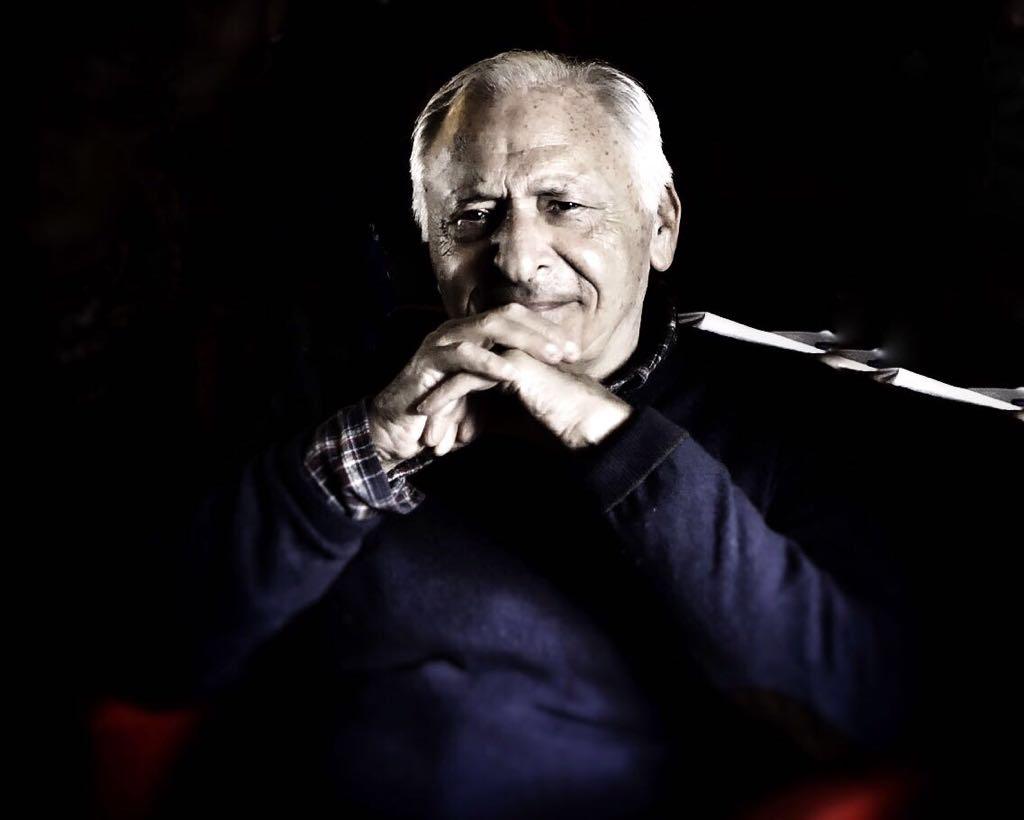
With over 1,500 songs published and a myriad of collaborations of great international prestige under his belt, Giulio Rapetti Mogol is one of the most prolific and by far the most successful author on the Italian music scene.

Known by everyone simply as Mogol, at the age of 83 – including over sixty of artistic career – he is a man who has always known how to live his life in depth and then tell it in his texts as a friend, revealing human truths and intimate thoughts.

Calling him a lyricist would be an understatement. The world of this great character is in fact dotted with social commitment, family loves, sports (football and horse riding above all), travel, mentoring, entertainment and much more.

His songs, however, are the ones that more than anything else define him and – even after fifty years – continue to arouse the same, identical emotions as ever in the general public. And it is no coincidence that his new theatrical performance is called just like this: Emotions (Emozioni in Italian, ndr).

Turin, Macerata and the Ancient Theater of Taormina will be just some of the stages touched by the tour. We talked about it directly with him: the legendary Mogol.

On 26 March Emotions will be staged at the Colosseo Theatre in Milan. Can you tell us about it?

It is a theatrical performance in which, together with the interpreter Gianmarco Carroccia, we make a journey through my songs with Battisti. A 16-piece orchestra will perform a real musical biography, while Carroccia will interpret the songs and I, present on stage with him, will tell anecdotes and curiosities about the birth of some of those songs. There will also be three songs by Gianni Bella: Il profumo del mare, Il patto and Quello che non ti ho mai detto.

Why did you prefer a theatrical performance to a concert? What does theatre offer compared to other forms of entertainment?

The show alternates parts of the concert – with lyrics projected in the background and an audience that actively participates, singing with passion – and my more discursive interventions, where I tell a little bit about the circumstances in which certain songs were born. It is a type of representation that offers great interaction with the spectators.

This year marks the 50th anniversary of the release of the Emotions album and the songs it contains continue to be very popular. Why do you think these songs are so loved by the public?

These are songs that have remained in people’s hearts and memories. My lyrics are often autobiographical but many Italians recognize and identify themselves in the thoughts, words and, above all, in the emotions told in these passages.

Speaking of emotions, one cannot help but think of your artistic collaboration and, above all, of your long friendship with Lucio Battisti. How do you remember him?

Between us there was a relationship of great friendship and mutual esteem. He called me the poet and for me he was the best musician I had known. I remember that we had established a habitual way of working, almost a routine: Lucio came to my house after composing the music of 10-12 songs. We started around 9 in the morning: he played the guitar, singing in macaronic English and I, lying on the carpet, composed the lyrics. In less than two weeks the job was ready. Many of the songs were born within an hour.

Gianmarco Carroccia, your co-protagonist in the theatrical show, is an artist who trained within the CET Centro Europeo di Toscolano. Can you tell us more about this academic project of yours?

CET is a non-profit association that I founded in 1992 with the aim of enhancing and qualifying mainly new pop music professionals, people sensitized to the importance of popular culture and the ethical needs of communication. The centre is located in a complex of over 120 hectares in the heart of Umbria. CET, however, is first of all an academy that has prepared and prepares artists of the highest international level. Last year I taught courses in the United States, Berkeley and Harvard, and there they gave us a lot of compliments for our teaching methods.

Gianmarco Carroccia, in fact, was a pupil of CET between 2010 and 2011 but to tell the truth I didn’t remember him. Then one day I heard him sing in one of his concerts, in front of an enthusiastic audience and, from there, planning a show together was almost inevitable. He is a great showman and knows how to involve the public. But not only that: he is also an incredible performer and his shows are always sold-out.

Looking back on your first steps into the world of music, what did it mean to be an author in the Sixties? How have musical tastes evolved and what is the public looking for today compared to that period?

Look, I am lucky enough to have sold over 523 million records worldwide, with 151 hits that placed in the top ten of the charts and of which, more than half, are songs composed with Battisti. These are incredible numbers and I myself, when I first heard them, found it hard to believe it. I think this success is due to the fact that I write for myself and not following the tastes of the public.

How do your songs come about?

My characteristic is that I never have a prepared subject: I listen to the music and recognize what it is telling me.

Your repertoire is vast. Of all the songs published, is there one that has a special meaning for you?

Yes: it’s the song Anche per te. It is a text that, I believe, everyone would have liked to write. It was inspired by three lonely women, whom I would have liked to help.

During your career you have collaborated with many world-famous artists: from Mina and Celentano to Bob Dylan and David Bowie. Among today’s names, is there an artist you admire more than others?

I would say Cristicchi: a great artist, both musician and theatre, with whom I also had the opportunity to collaborate.

Cover: Mogol
Audiovisual material courtesy of Mogol

Click here to read the interview in Italian


FRANCES ATKINS – The chef that brings to the table the flavours of Yorkshire

by Stefania Del Monte

Frances Atkins was the first female chef to be awarded a Michelin star in the UK. Brought up in Ilkley, she attended Bradford School of Food Technology and after graduation spent some time working abroad. She then followed her passion, cooking freelance until she was able to open her first much cherished Restaurant, Atkins, in Great Missenden. For the past 23 years, she has established an international reputation for fine food and exceptional hospitality with her trusted team at award winning The Yorke Arms, a magical restaurant with rooms in the heart of one of the most beautiful English counties: Yorkshire.

Chef Atkins, your passion for cooking was evident since, as a teenager, you started supplying a local deli in your hometown with your own handmade cheeses. What led you to become a professional chef?
Cooking is a natural way for me to express myself and I have never wished to do anything else.

Have you been inspired by anyone in particular?
My inspiration has always come from nature, beautiful ingredients and wonderful aroma.

Before opening The York Arms in the Yorkshire Dales, in 1996, you worked in Denmark, Scotland and London. What did you learn from those experiences?
From past experiences running businesses, I have learnt that every day is different in Hospitality and certainly in Kitchens. I am an expert in crisis management!

What brought you back to Yorkshire?
Yorkshire is the county of my roots: the terroir and flavours are exceptional!

You were one of the first female chefs in Britain, and the first one to be awarded a Michelin star. As a woman in this industry, what kind of challenges did you face?
Challenges have always been of my own making. I am very focused but also very independent and feel with concentrated hard work anything is possible.

What do you consider the best achievement of your career?
Having the desire to continue to flourish!

What kind of food do you like to make and how important is the environment in your cuisine?
The environment is everything to me. It’s what lifts my spirit and makes me creative. I worked in London for three years, underground, and found it to be very narrowing.

What are your favourite ingredients?
I love all ingredients: oils, vegetables herbs anything that grows and is fresh. We have amazing grouse on our moors, here, that just feeds on the heather. So, what pure meat that is! We serve it with bilberries (black berries) that grow in the heather and then add a little peaty whisky into the grouse sauce. The heather grows in the peaty moors so all the favours are related and produce the  ‘taste of Yorkshire’.

And your favourite food and wine pairing?
We have a marvellous local white wine, Solaris, which is the perfect accompaniment to many of my dishes. The taste is so exciting and unique.

As a member of the Royal Academy of Culinary Arts and a fellow of the Master Chefs of Great Britain, you are passionate about nurturing young chefs. What do you feel is the role of British cuisine, today?
It’s an exciting time for British cuisine today. The standards are internationally influenced, mainly by the media, and the desire to take our food to another level is very much there in the
younger generation.

Images courtesy of the Bayford Group

A Boy Called Porro, each child is special, each child is loved

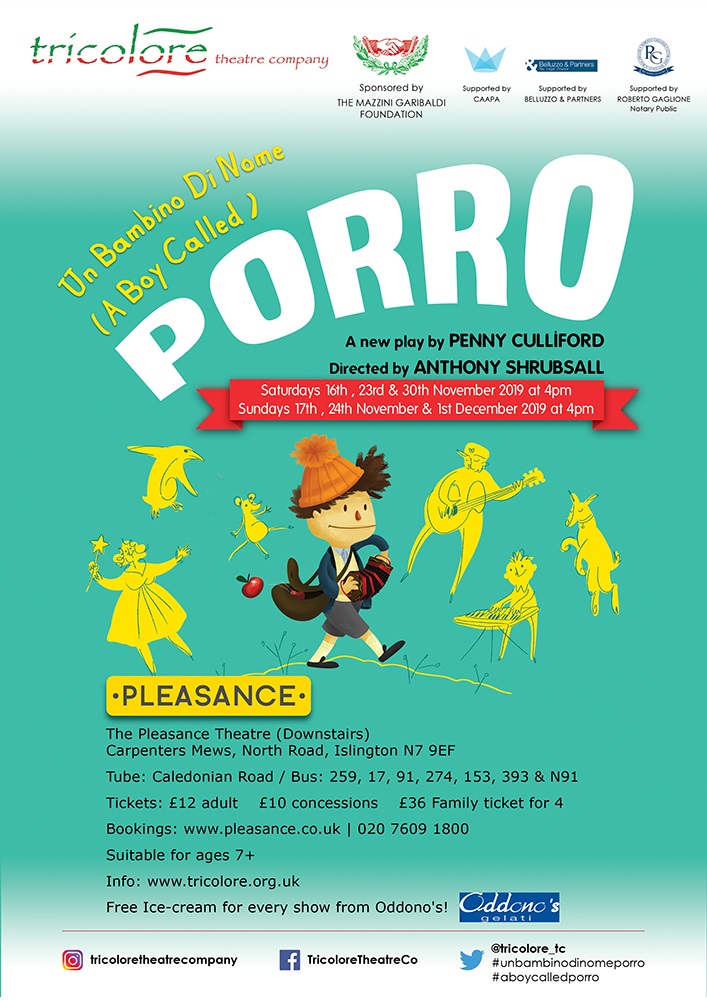
London – Un Bambino Di Nome (A Boy Called) Porro is Tricolore Theatre Company’s new magical bilingual play for children from 7-11 which premieres in London this autumn at Pleasance Theatre (Downstairs), Carpenters Mews, North Road, Islington N7 9EF.

On Saturdays 16th, 23rd, and 30th November at 4pm and Sundays 17th, 24th November and 1st December at 4pm.

The play, in English and Italian, features a life-sized puppet and live actors and tells a heart-warming story of a young boy’s journey from underdog to top dog as he travels through an enchanted world.  On the way, he meets a drowsy dormouse, a petulant penguin, a daring dog and a band of musicians who see the potential in the little boy whose hair is too vertical, whose ears are too small and who is always late.

Written by Penny Culliford and directed by Anthony Shrubsall, with original score by Stefan Potiuk, and with a cast of professional Italian and English actors, the play combines Tricolore’s expertise in appealing to English and Italian audiences, young and old, with captivating storytelling, energetic performances and innovative staging. Designed by Offie Nominated Alys Whitehead and Sound & Lighting by Offie Commended Chuma Emembolu.

Tricolore’s previous productions, all written by Penny Culliford, include Saffron Hill (also directed by Anthony Shrubsall), La Catena d’Oro (The Golden Chain) and The Gingerbread Man (L’Ometto di Pan Pepato) a bilingual play for younger children that toured to Rome.

Tickets are available from www.pleasance.co.uk 020 7609 1800

Price £12 adults, £10 children and concessions plus £36 for a Family ticket for 4 – includes FREE ice cream at every show from Oddono’s Gelati www.oddonos.com/

Libiamo, the online club of the best Italian wines & spirits in UK

London (Francesco Pappaleo)  – Are you in the UK but you miss your winery weekend? Libiamo is your answer: the online wine club that specialises in high-quality Italian wines & spirits.

Libiamo was born in 2014 owing to a collaboration between Italian and British partners who share a passion for the Made in Italy. Since that time Libiamo aims at establishing a community of Italian wine and food enthusiasts in the United Kingdom, taking inspiration from the famous toast in Giuseppe Verdi’s renowned opera La Traviata: “Libiamo nei lieti calici!” (“Let’s drink from the joyful cups”).

Everyone can have access to it and can be part of a new community to meet new friends by sharing the same interests.

By visiting the website you can discover a wide range selection of wines and Italian spirits that you can try by buying it online.

However, Libiamo is more than an online wine store: the club proposes a new approach to the Italian wine and food tradition by telling the cheerful stories hiding behind the wines and their producers, by suggesting the best food and recipes to pair the wines with.

Also, the club is promoting new tours through the most suggestive Italian vineyards and by organizing the most innovative wine tastings. So Libiamo gives you the chance to live the Made in Italy in total, by discovering more about the Italian culture and lifestyle. 

For this reason, Libiamo is a gastronomic philosophy, an innovative approach to wine enjoyment with friends, a journey through the history of Italian wine-making and a chance to visit Italy and her amazing landscapes.

Regarding the spirits, Libiamo features an outstanding selection of premium quality artisanal spirits from legendary Italian producers: grappa, vermouth, gin, nocino and limoncello. The secrets of mixology are revealed to all our friends.

To discover more visit the website libiamowines.co.uk and enjoy the true Italian lifestyle!

Discovering Eton College

London, Maria Vittoria Bognetti

Eton College was born in 1440 from by King Henry VI who desired to found an institution that would shape and educate the next british ruling class in the English Language, aiming at creating a natural ‘bridge’ between high school and university education level. It started as a charity school which provided free education for seventy poor boys in Windsor, Berkshire, who then continued their scholastic career in the exclusive 70 colleges between Oxford and Cambridge, leading universities in the world.

For the first time, Eton College opened his doors to an Italian production team, London One Radio, allowing us to perceive the unicity and the peculiarities of this institution in its whole beauty. Dr. Marco Liviero has been the voice who guided such tour in the numerous rooms of the college, by providing insights on what distinguishes them from other boarding schools. He explains that Eton College was love at first sight: he visited the school during an academic trip, and already passionate about the British culture, theatre and Shakespeare, he pictured himself in this institution. A dream that came reality as, for the past 19 years, he has been the Professor of English Literature at Eton College.


Eton is not like any other boarding schools, students are developed in toto. As Dr. Marco Liviero explains, “Excelling in school is not enough. Being passionate is an essential quality, and what is mot important is to be willing to invest effort and time in these”. The academic part is indeed just a small component of the education that student receive from Eton: they develop their passions, initiative spirit, and sense of responsibility through the many extracurricular activities from sport, to music and theatre.

The Farrer theatre, the creative heart of Eton College, is one of the most magical places in the boarding school. And the very essence of theatre allows Eton students to grow as human beings, touching the many spheres of an inclusive development: it allows to “understand who you are and who you can become”, key elements in the receipt to disclose the full potential of each student. It is not surprise that many brilliant actors passed from here, from Hugh Laurie, the Dr. House protagonist, to Eddie Radmayne, who recently won the oscar for his interpretation of Stephen Hawking in the Theory of Everything.

Eton’s traditions have been lasting for more than six centuries, and it is the combination of such solid and extraordinary background, academic excellence and a constant innovation that allows this school to be the most prestigious boarding school in the United Kingdom, if not the world.

“The school master’s skill is understanding the different talents of each pupils”, a quote by Quasiliano, found in a fresco in the Head Master Chamber, the office of the Head Master in XIII century, well embraces and expresses the spirit of this brilliant institution.

London – Trafalgar Square this week end : The West End Live Show 2019

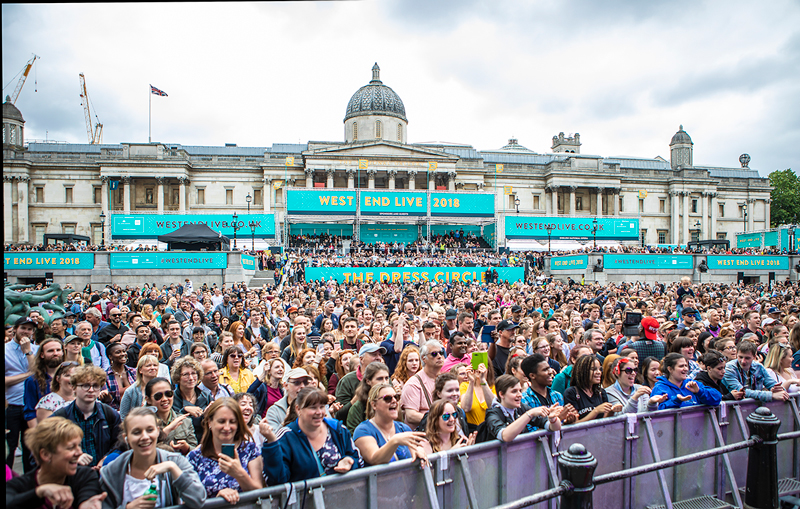
London ( Maria Vittoria Bognetti ) What is there to do in London this weekend? Well, the answer is easy: West End Live 2019 !

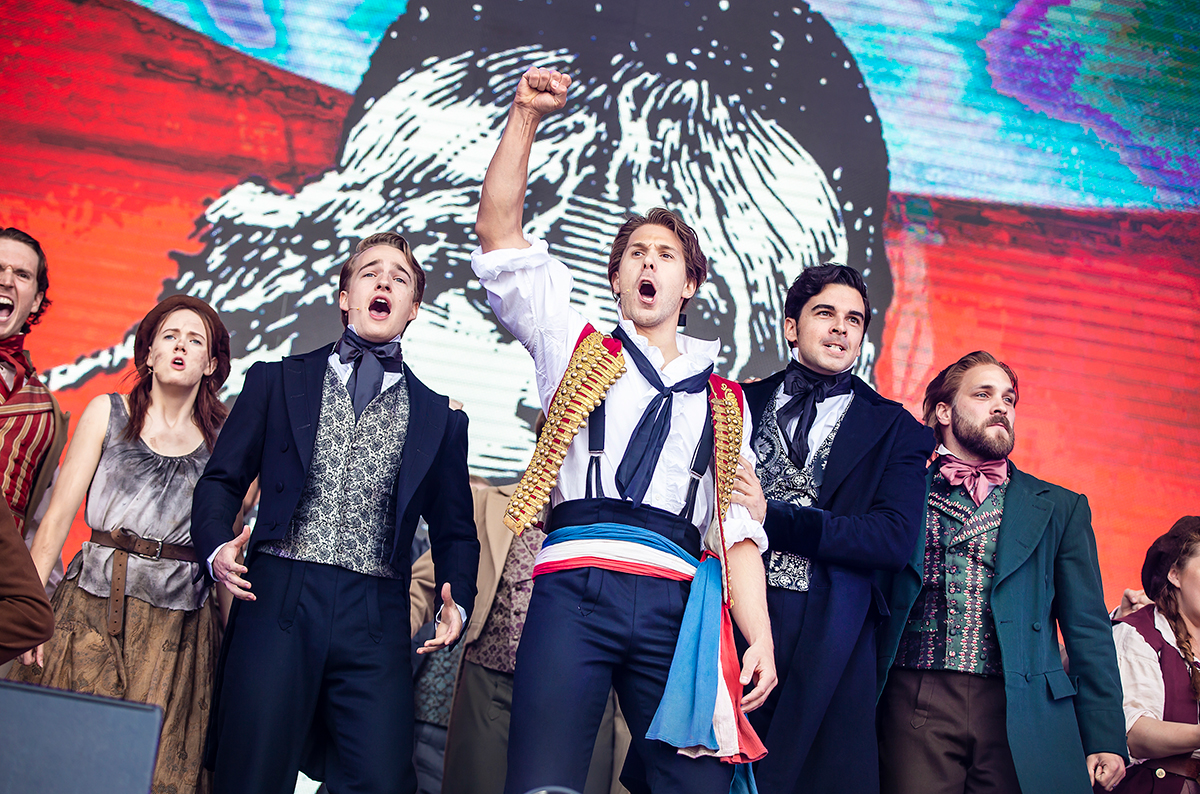
The stage is already set, and throughout the whole weekend, great performers from the most important West End musicals, from the Lion King, Mamma Mia to Thriller live, just to name a few, will perform short sets at Trafalgar Square.
Presented by Westminster City Council and the Society of London Theatre, the annual event will start Saturday, from 11am to 5pm, up until Sunday, from 12am to 5pm, and it will see performing more than 50 artists throughout the weekend. From the refreshments to the interaction and the merchandise, the event is family-friendly


Whether you cannot make it to the show, everything will be recorded and shared on the many social media platforms so that everyone can participate, and also have a sneak peek about the behind-the-scenes content.
The show does not require any tickets, indeed it is all free to the public, so just come and
enjoy the show!

https://www.westendlive.co.uk/

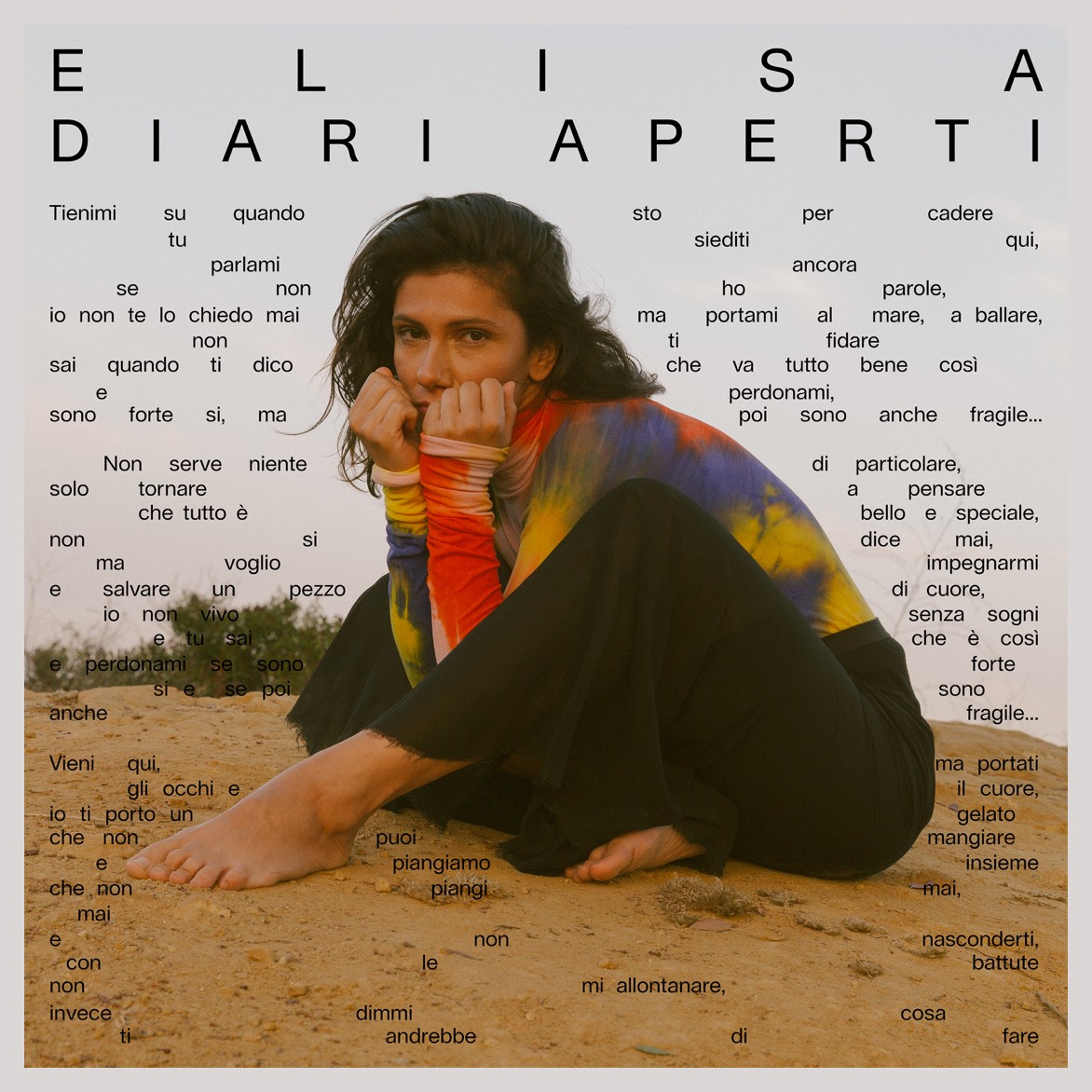
Elisa is Back to London for her new Tour!

London, Maria Vittoria Bognetti

The great Italian singer and songwriter, Elisa, lands in the UK to perform during her 2019 European tour here in the capital city on the 30th of July and on the 2nd of August in Edinburgh. We will also see the artist performing in other major European cities, around Germany, Switzerland and Norway.

Her music genre can be categorized as alternative rock, influenced by her idols Dolores O’Riordan, Björk, Tori Amos, Alanis Morissette and Aretha Franklin.

Her background in the USA allowed her to expand her audience outside Italy by recording and writing her songs mainly in English, one of the few Italian songwriters that has made such a decision. Come Speak to Me, Dancing, So You Think You Can Dance are few of her most famous tracks in the international scene, and part of a discography composed by nine studio albums, 5 compilations and 51 singles. Her talent has been awarded with 1 diamond disc, 1 multi platinum disc, and 13 platinum discs.


Throughout her career, she performed with prestigious artists from Eros Ramazzotti, Zucchero, Francesco de Gregori, to Luciano Pavarotti. Worth mentioning that her song Ancora Qui, in collaboration with Ennio Morricone, was featured in a Quentin Tarantino’s film, and was nominated for a Grammy Award for Best Compilation Soundtrack for Visual Media.
Her tour will start in Germany, in Cologne on the 20th of July at Luxor and in Hannover on 21st of July at Musikzentrum, moving successively to Norway, Oslo on 23rd July at Blaa. She will go back to Germany, Hamburg on the 25th of July at Fabrik before performing in Switzerland, in Bellinzona on the 26th of July at the Castle on Air. The tour will end in the UK, first performing in the capital city at the Union Chapel, and successively in Edinburgh at the Liquid Room.

https://www.elisatoffoli.com/

Why Italy is the 5 Tourist Country in the World  

It’s official: according to a report by the World Tourism Organization Italy is one of the most popular travel destinations around the globe, receiving over 58 million visitors in 2017 alone. Placed as it is in the centre of the Mediterranean, a hub of western culture, it’s not hard to imagine why.

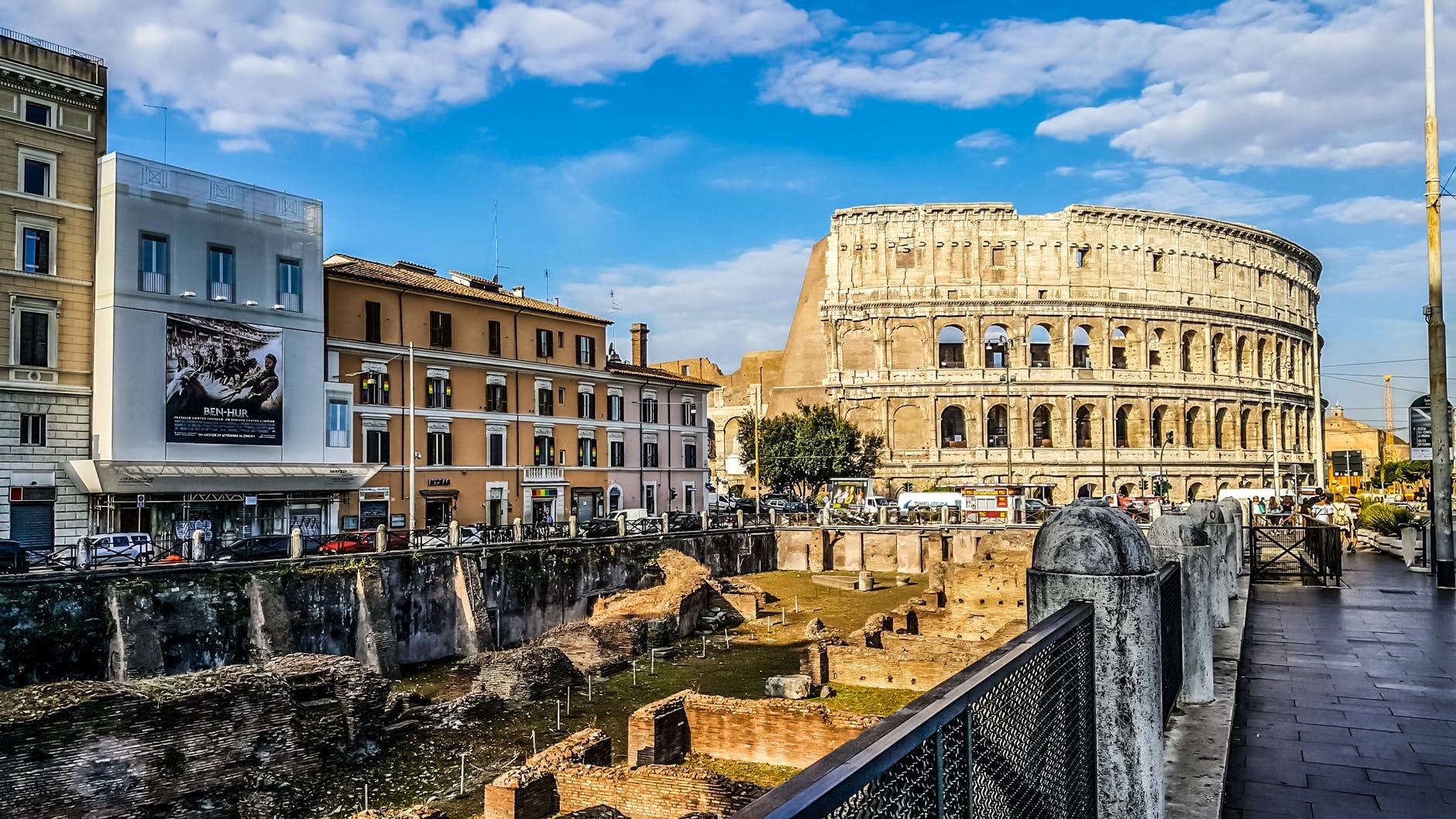
From the ancient holdfast of Rome to the bastion of Syracuse on the isle of Sicily, Italy has always been famous for its classics; many of its cities have stood for millennia, with grand monuments such as the Colosseum and the ruins of Pompeii standing tall thousands of years after the fall of the original Roman empire.

Tourists come from far and wide to visit such sites, and rarely leave disappointed.

Within the capital city itself sits the Vatican, the living heart of the Catholic faith. It welcomes visitors from all over the world into its halls, an independent state in its own right decorated from floor to grand ceiling with beautiful artistry and architecture.

In Florence, the 600 year old Cathedral of Santa Maria del Fiore stands tall and majestic.

In Pisa, Galileo’s leaning tower leans, a living testament to science and history.

Up and down the country the remains of ancient aqueducts can be seen, and in Rome the 18th century Trevi Fountain is carved glorious, especially beautiful on bright sunny days. The remnants of the Romans are one thing – the remnants of the renaissance can often be even more astounding.

The Culture

If there’s one thing above all that attracts the tourist crowd to Europe’s boot however, it’s the culture of the people living there. An on the ground experience in Italy is proof enough – there’s character on every corner, from local restaurants to the railway system to coffee snobbery. Even Italy’s lottery is bombastic; the SuperEnalotto at Lottoland sees three weekly draws with no cap on rollovers, meaning giant, exciting, enthusiastic national wins

The Sun and the Sports

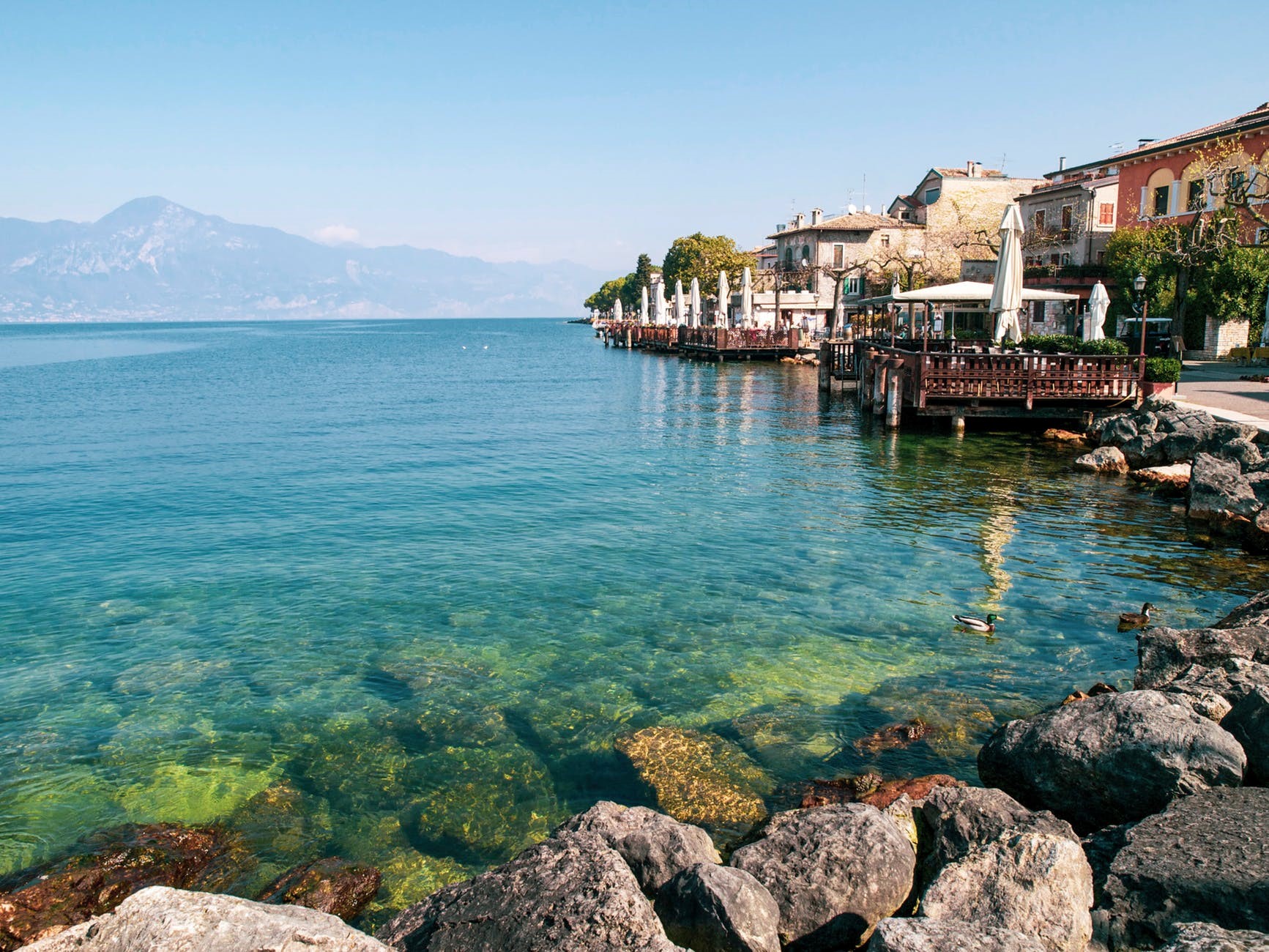
It’s not all museums and monuments in Italy, however – far from it. The country is just as famous for its mountains, skiing, football and water sports. With long, balmy summers and beautiful beaches many tourists come to the country solely for the weather alone relative to the time of year.

Image: Pexels

385 Italian beaches were awarded the prestigious ‘blue flag,’ award for clean waters in 2019 – meaning the country holds 10% of all flags in the world.

Compared to nearby neighbouring countries Russia and France, Italy has 349 separate skiing locations, whereas France only has 325, and Russia only 321.

Wine tours are available up, down and throughout the countryside and family resorts and villas draw guests in by the thousands every year. Without a doubt, Italy is just as good for a relaxing holiday as a learned one.

From pizza to pasta to the upbeat tune of the Italian language, Italy’s culture is beloved the whole world over for its energy and warmth. Combined with the grandeur of ancient history, and it’s easy to understand why the country remains one of the best to visit in the world.

Famous freak wave recreated in laboratory mirrors Hokusai’s ‘Great Wave’

A team of researchers based at the Universities of Oxford and Edinburgh have recreated for the first time the famous Draupner freak wave measured in the North Sea in 1995.

The Draupner wave was one of the first confirmed observations of a freak wave in the ocean; it was observed on the 1st of January 1995 in the North Sea by measurements made on the Draupner Oil Platform. Freak waves are unexpectedly large in comparison to surrounding waves. They are difficult to predict, often appearing suddenly without warning, and are commonly attributed as probable causes for maritime catastrophes such as the sinking of large ships.

The team of researchers set out to reproduce the Draupner wave under laboratory conditions to understand how this freak wave was formed in the ocean. They successfully achieved this reconstruction by creating the wave using two smaller wave groups and varying the crossing angle – the angle at which the two groups travel.

Watch the video here: Recreated freak wave mirrors Hokusai’s Great Wave.

Dr Mark McAllister at the University of Oxford’s Department of Engineering Science said: ‘The measurement of the Draupner wave in 1995 was a seminal observation initiating many years of research into the physics of freak waves and shifting their standing from mere folklore to a credible real-world phenomenon. By recreating the Draupner wave in the lab we have moved one step closer to understanding the potential mechanisms of this phenomenon.’

It was the crossing angle between the two smaller groups that proved critical to the successful reconstruction. The researchers found it was only possible to reproduce the freak wave when the crossing angle between the two groups was approximately 120 degrees.

When waves are not crossing, wave breaking limits the height that a wave can achieve. However, when waves cross at large angles, wave breaking behaviour changes and no longer limits the height a wave can achieve in the same manner.

Prof Ton van den Bremer at the University of Oxford said: ‘Not only does this laboratory observation shed light on how the famous Draupner wave may have occurred, it also highlights the nature and significance of wave breaking in crossing sea conditions. The latter of these two findings has broad implications, illustrating previously unobserved wave breaking behaviour, which differs significantly from current state-of-the-art understanding of ocean wave breaking.’

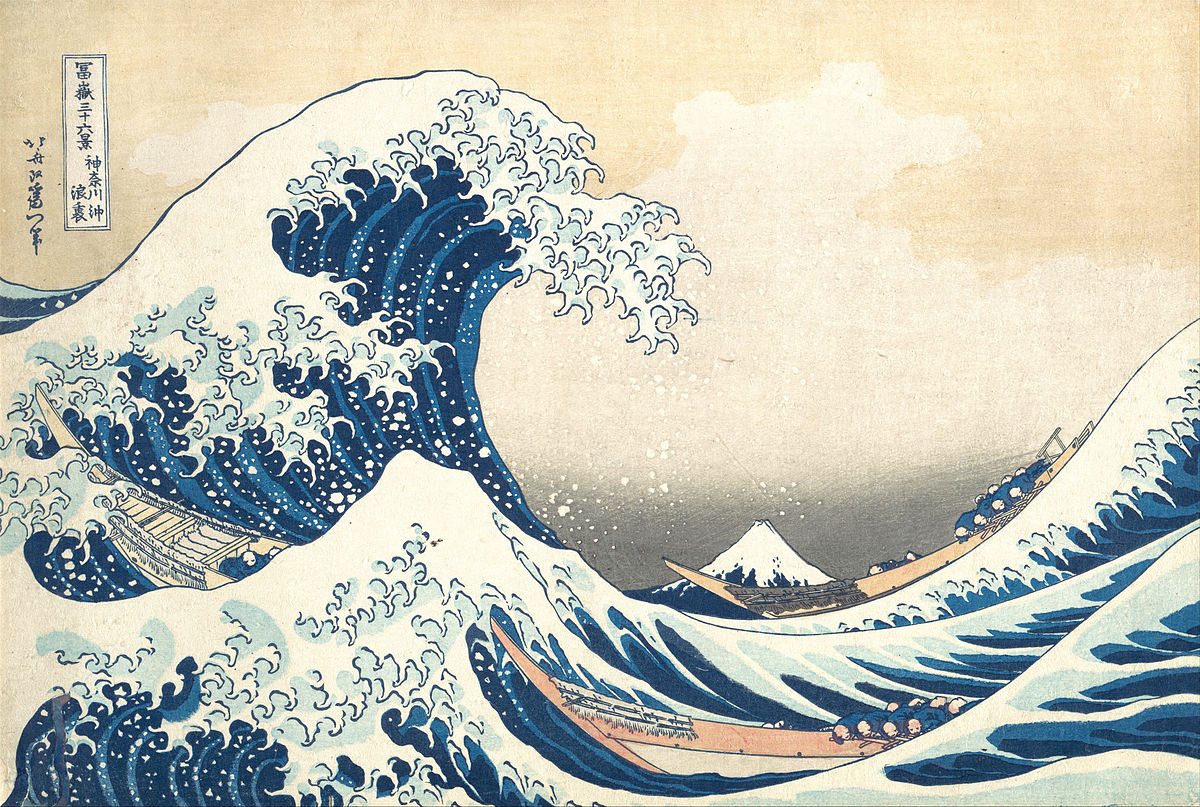
To the researchers’ amazement, the wave they created bore an uncanny resemblance to ‘The Great Wave off Kanagawa’ – also known as ‘The Great Wave’ – a woodblock print published in the early 1800s by the Japanese artist Katsushika Hokusai. Hokusai’s image depicts an enormous wave threatening three fishing boats and towers over Mount Fuji which appears in the background. Hokusai’s wave is believed to depict a freak, or ‘rogue’, wave.

The laboratory-created freak wave also bears strong resemblances with photographs of freak waves in the ocean.

The researchers hope that this study will lay the groundwork for being able to predict these potentially catastrophic and hugely damaging waves that occur suddenly in the ocean without warning.

Experiments were carried out in the FloWave Ocean Energy Research facility at the University Of Edinburgh.

Dr Sam Draycott at the University of Edinburgh said: ‘The FloWave Ocean Energy Research Facility is a circular combined wave-current basin with wavemakers fitted around the entire circumference. This unique capability enables waves to be generated from any direction, which has allowed us to experimentally recreate the complex directional wave conditions we believe to be associated with the Draupner wave event.’

The research was led by Dr Mark McAllister and Prof Ton van den Bremer at the University of Oxford, in collaboration with Dr Sam Draycott at the University of Edinburgh. This project builds upon work previously carried out at the University of Oxford by Professors Thomas Adcock and Paul Taylor.


Oxford University has been placed number 1 in the Times Higher Education World University Rankings for the third year running, and at the heart of this success is our ground-breaking research and innovation.

Oxford is world-famous for research excellence and home to some of the most talented people from across the globe. Our work helps the lives of millions, solving real-world problems through a huge network of partnerships and collaborations. The breadth and interdisciplinary nature of our research sparks imaginative and inventive insights and solutions.

Through its research commercialisation arm, Oxford University Innovation, Oxford is the highest university patent filer in the UK and is ranked first in the UK for university spinouts, having created more than 170 new companies since 1988. Over a third of these companies have been created in the past three years.